Corrosion
Material / Finish / Fasteners
 Get A Free Quote
ANOVA is a commercial LED lighting manufacturer and experienced LED lighting manufacturer supporting lighting brands, importers, designers and project teams with commercial downlights, commercial lighting platforms, ODM lighting and custom LED lighting. Our product platforms include LED modules and architectural downlights that can be configured around optics, controls, finishes, installation conditions and target-market requirements. When a project needs more than a standard product, engineering, prototyping, validation and controlled production are coordinated through one development path. Corrosion, moisture, heat and other demanding-environment risks remain important specialist capabilities, but they support the wider commercial and custom lighting offer rather than defining every project.
Specialist Engineering Capability
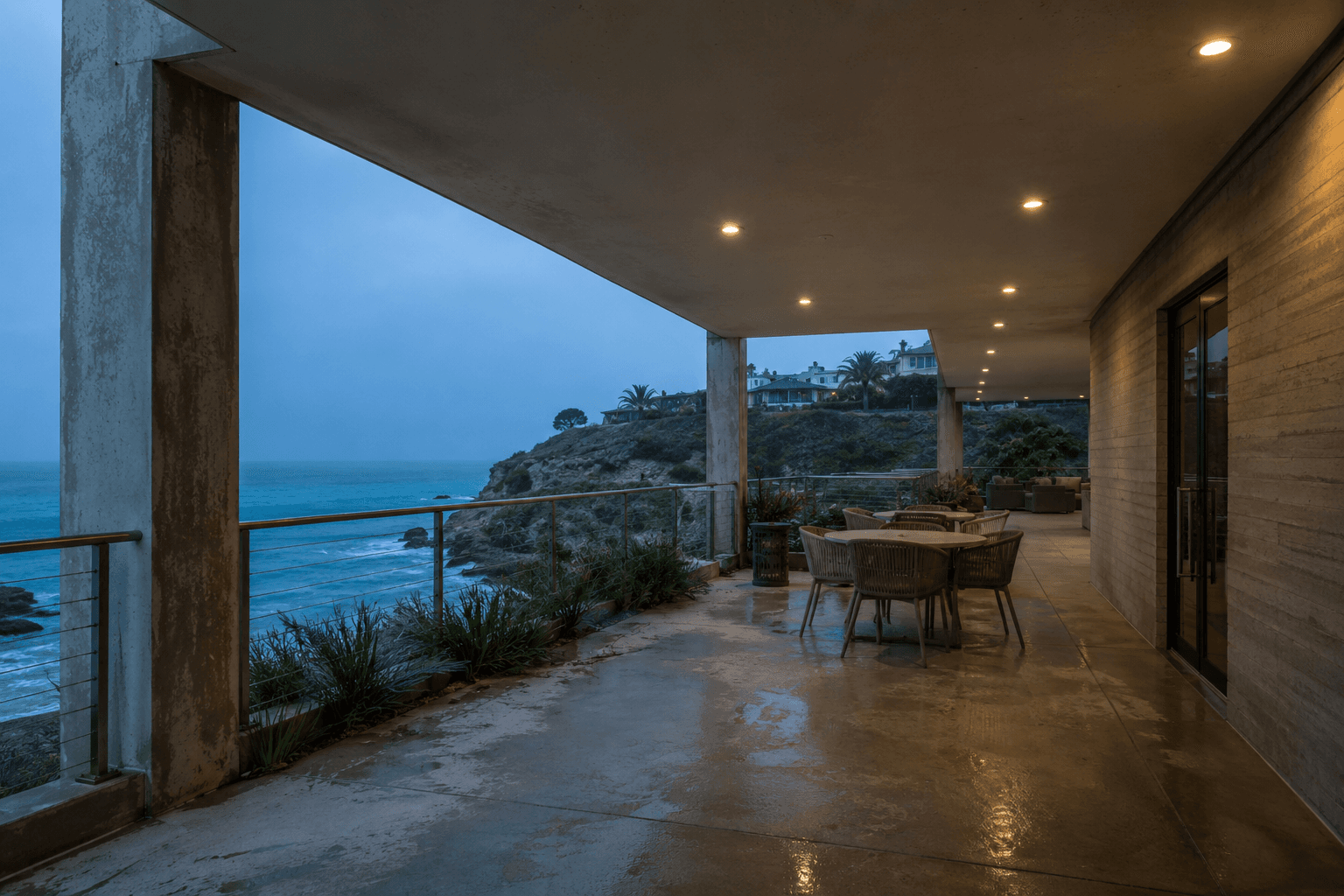
Moisture, salt exposure, heat, movement and restricted installation conditions affect more than the enclosure. They influence materials, sealing, electrical connections, thermal management, fastening and long-term maintenance.
A reliable product starts with understanding the complete operating condition — not with selecting an IP rating alone.
Material / Finish / Fasteners
Sealing / Cable Entry / Condensation
Heat Path / LED Temperature / Driver
Fixing / Cable Strain / Structural Stability
Engineering Proof
Explore the engineering capability, testing and validation and project experience behind ANOVA commercial and custom lighting programs.
Engineering-Led ODM
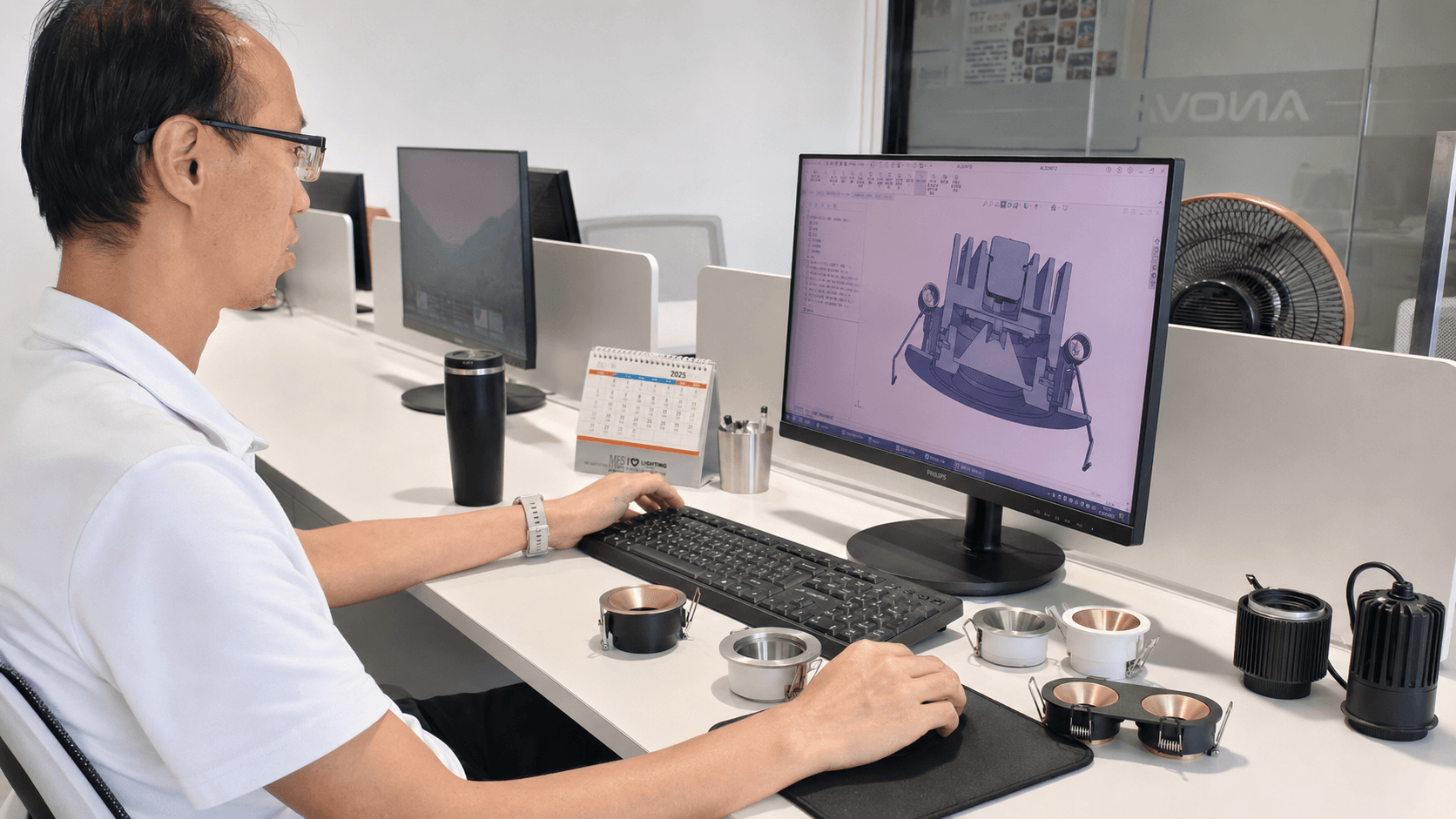
ANOVA's OEM/ODM lighting manufacturing and custom LED lighting development start with the application rather than a fixed catalogue specification.
Installation limits, environment, performance targets and maintenance requirements are reviewed before the product configuration is defined.
Aluminium, stainless steel, coatings, plating, isolation and exposed hardware selected around the operating environment.
Gaskets, O-rings, cable entries, joints and internal moisture paths considered as one system.
Dimensions, mounting depth, fixing methods, service access and cable strain adapted to the installation condition.
Beam angle, glare control, CCT, CRI and optical configuration adapted to the intended space.
Voltage, drivers, dimming, connectors, cables and electrical protection configured around the project.
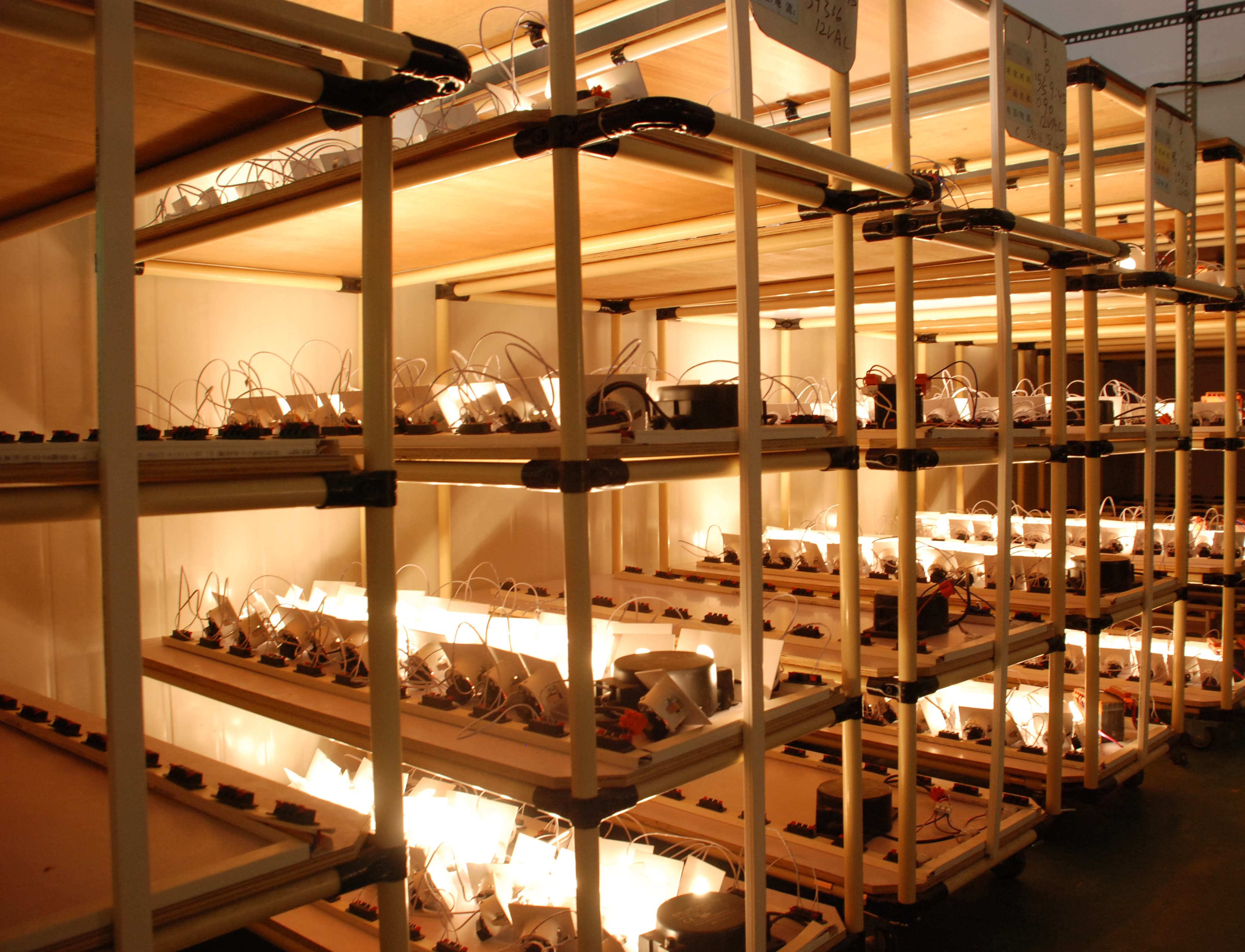
LED temperature, housing heat paths and restricted installation spaces considered during development.
Engineering for Real Conditions
Reliable ODM development begins by understanding how a product may fail in the real application — and addressing those risks before production.

Corrosion
Material combinations, exposed fasteners, coating continuity, hidden interfaces and drainage conditions all influence long-term corrosion behaviour.
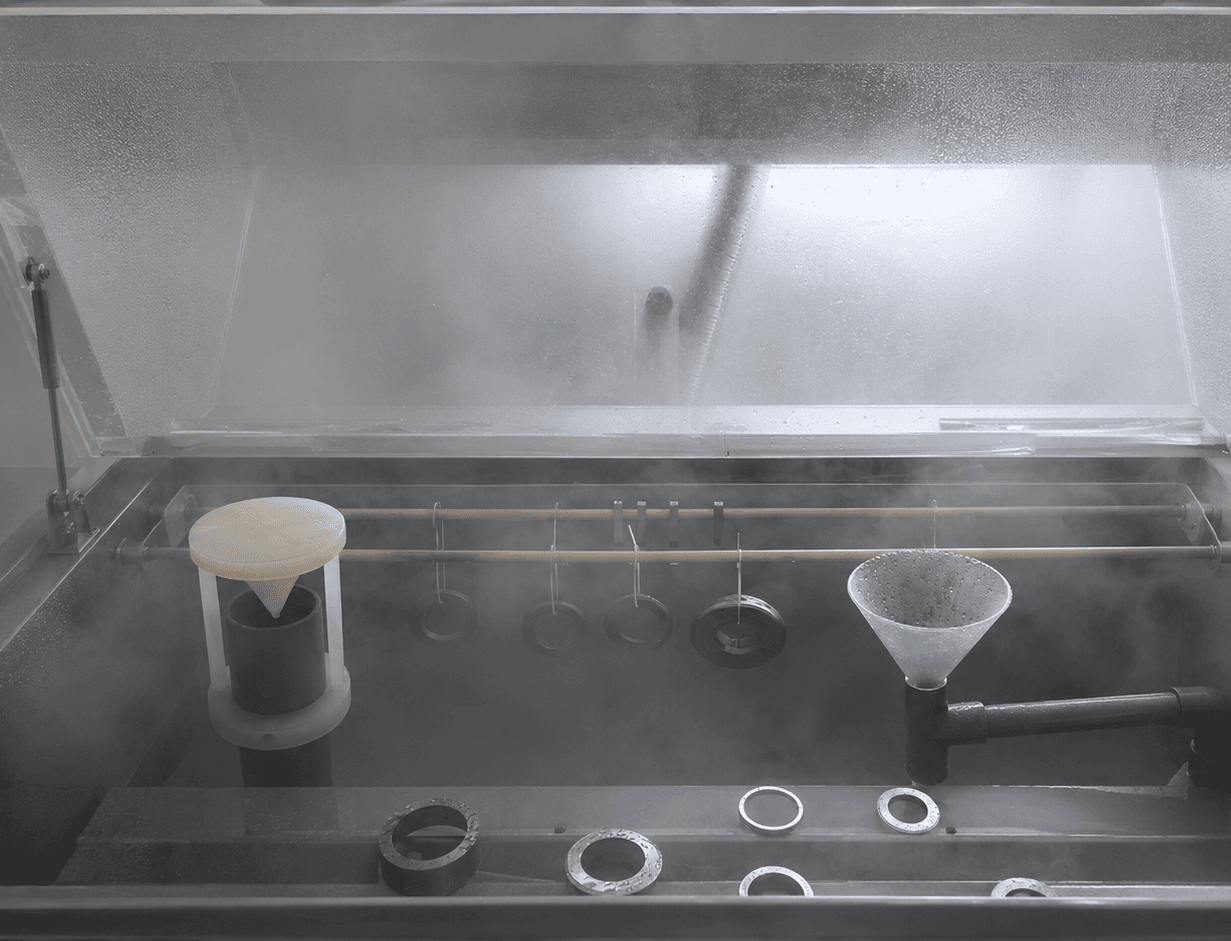
Moisture & Condensation
Sealing design must also consider cable entry, internal air volume, temperature changes, pressure variation and moisture paths.
Heat
LED temperature, driver placement, housing mass and surrounding installation space must be considered together.
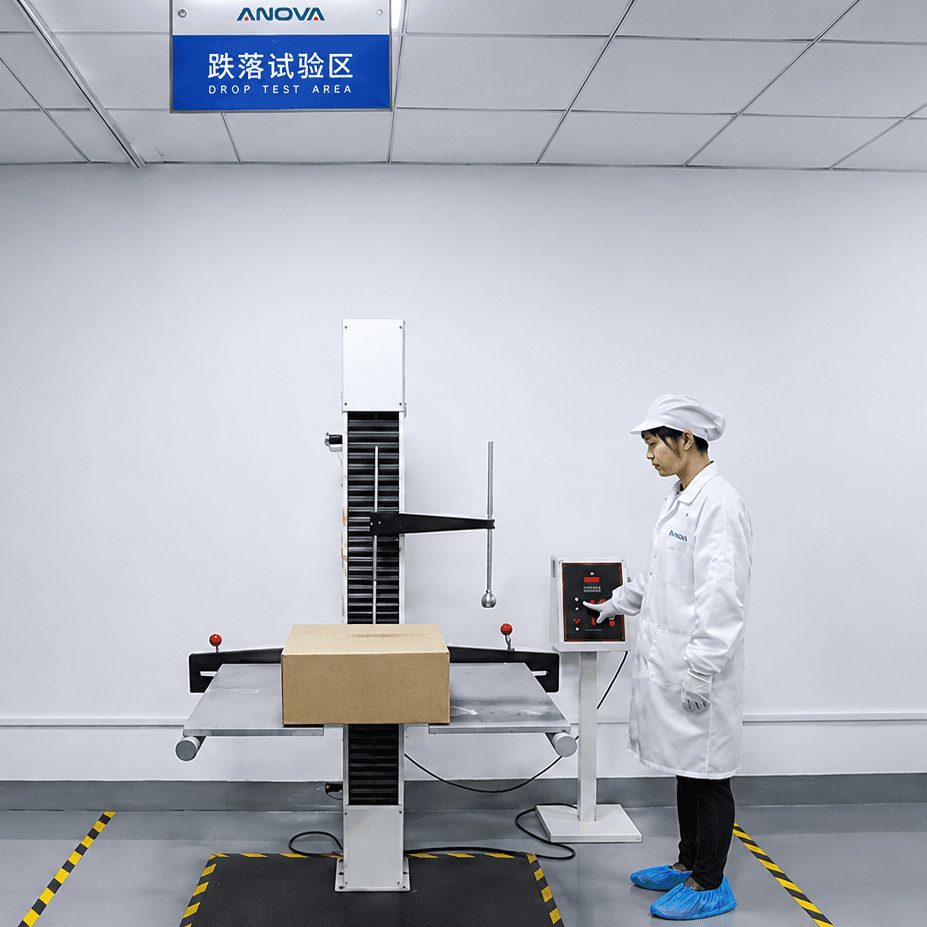
Movement & Vibration
Fasteners, cable strain, connection points and structural stiffness are reviewed to reduce loosening and movement-related failures.
04 / Confidential ODM process
Review the complete ODM lighting development process and the information needed to begin.
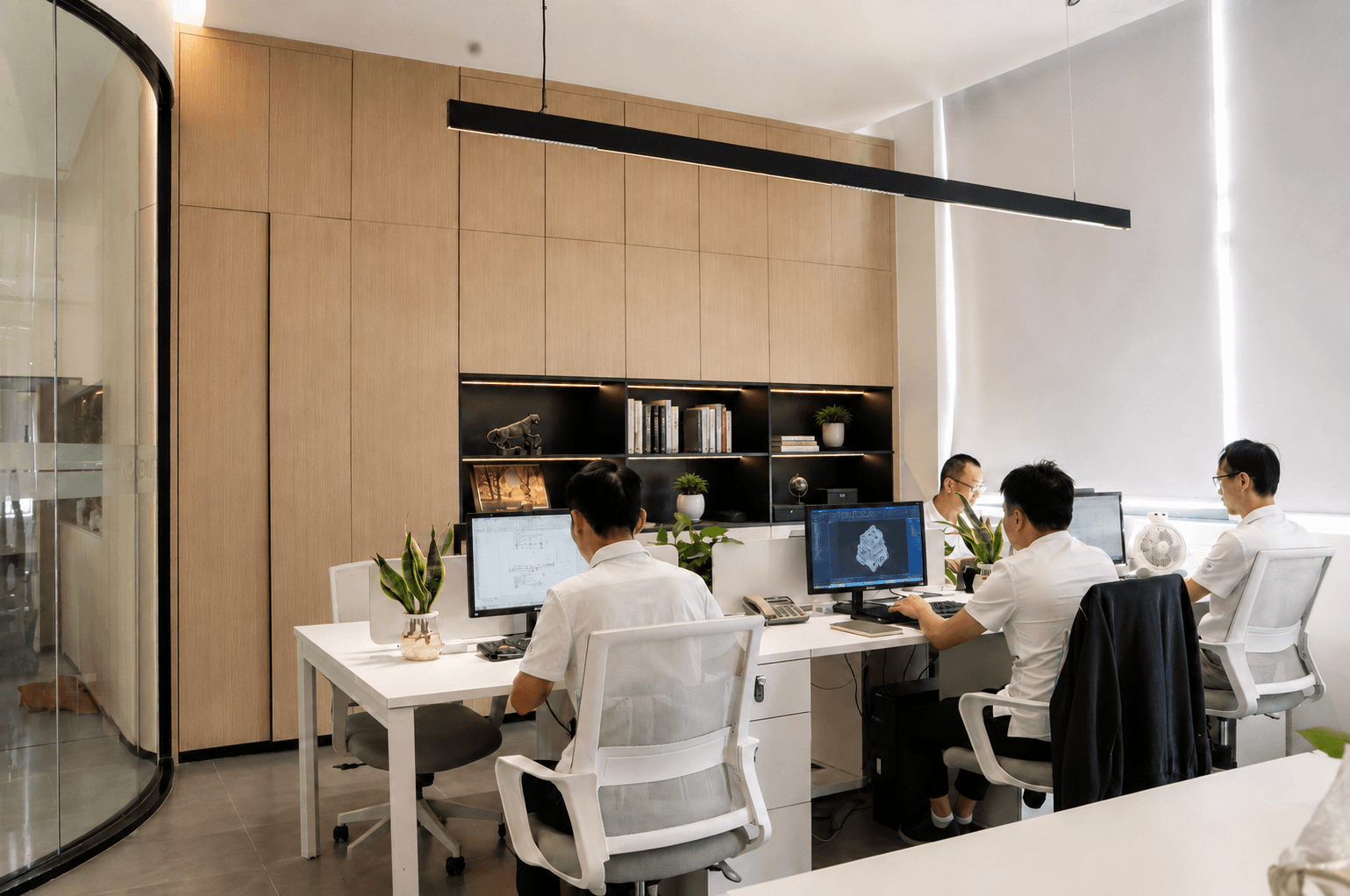
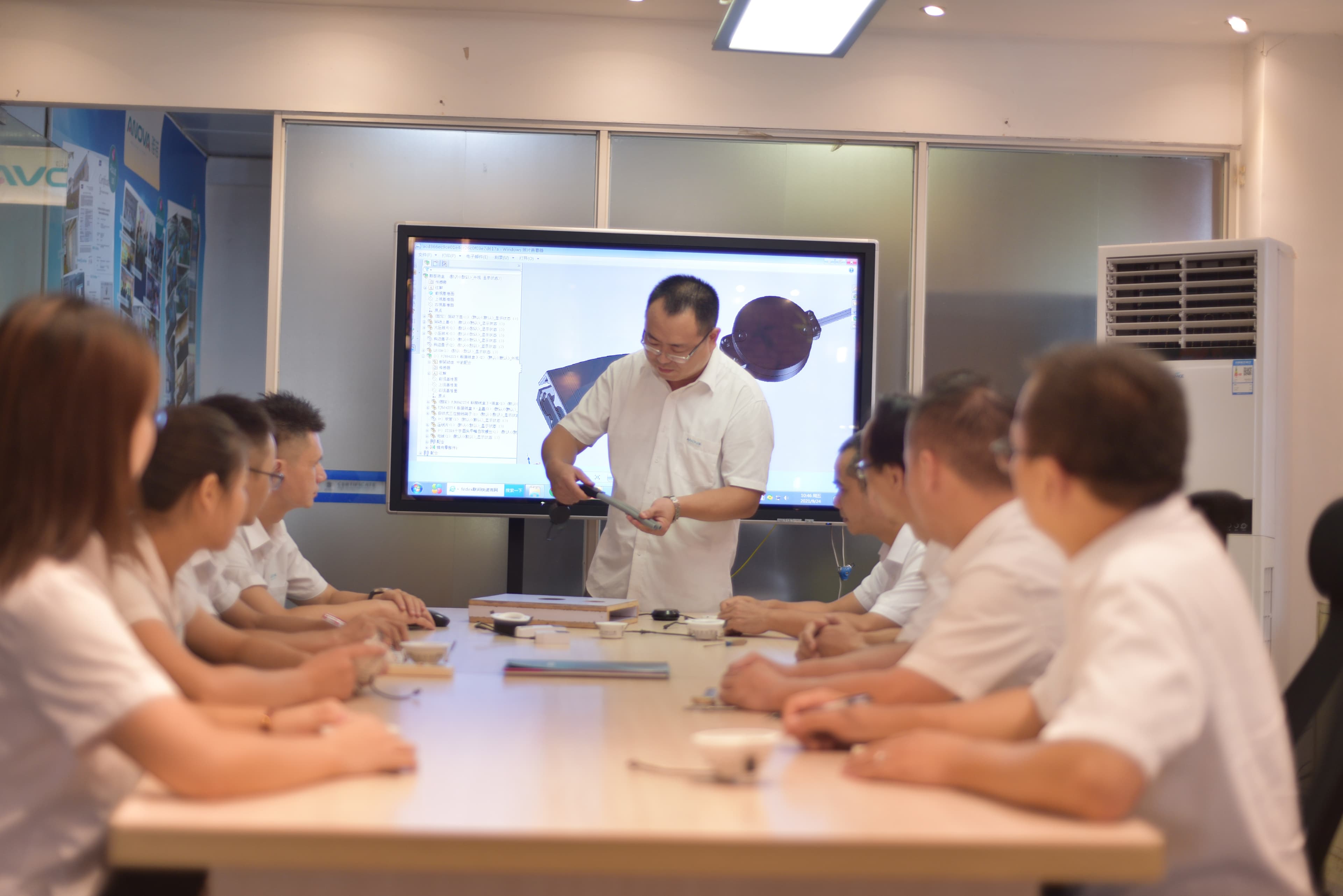
Operating conditions, installation, target market and unacceptable failure modes.
A material, structure and validation route with assumptions made visible.
Samples coordinated around the agreed scope and review criteria.
Relevant risks checked, findings reviewed and the design adjusted where required.
Approved requirements transferred into documented production and quality controls.
05 / Risk-based validation
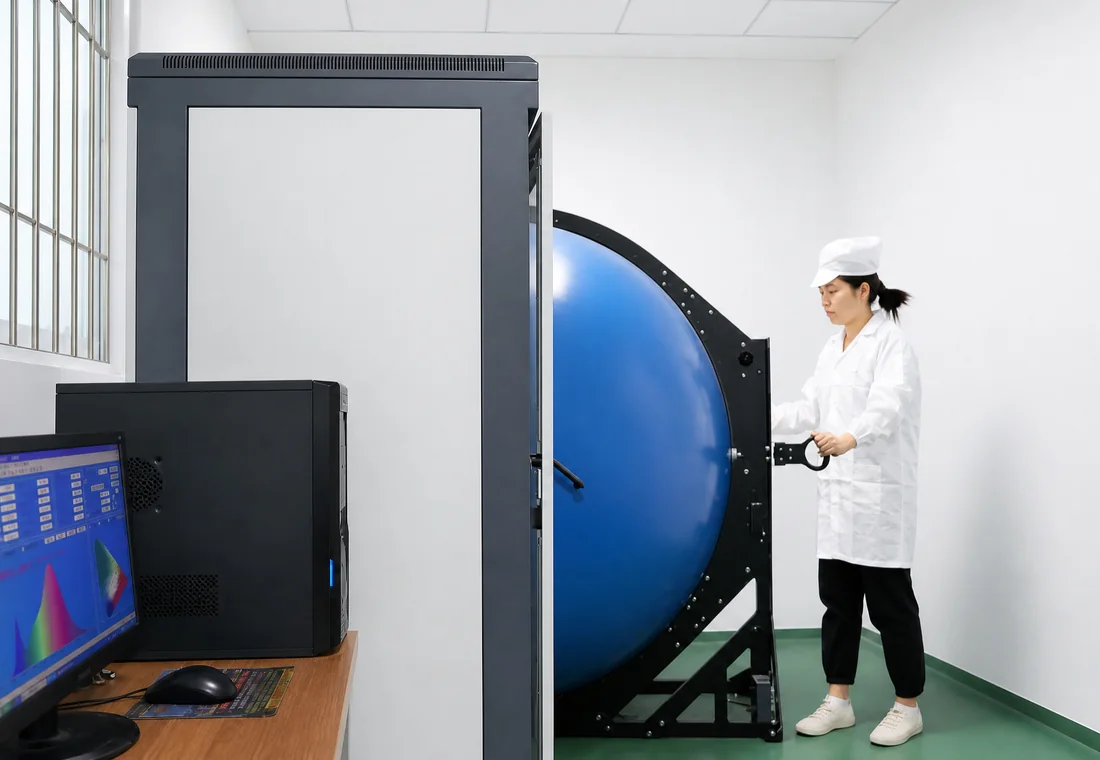
Checks are selected for the environment, construction, changes introduced and target-market requirements. Third-party validation is available when required by the project plan.
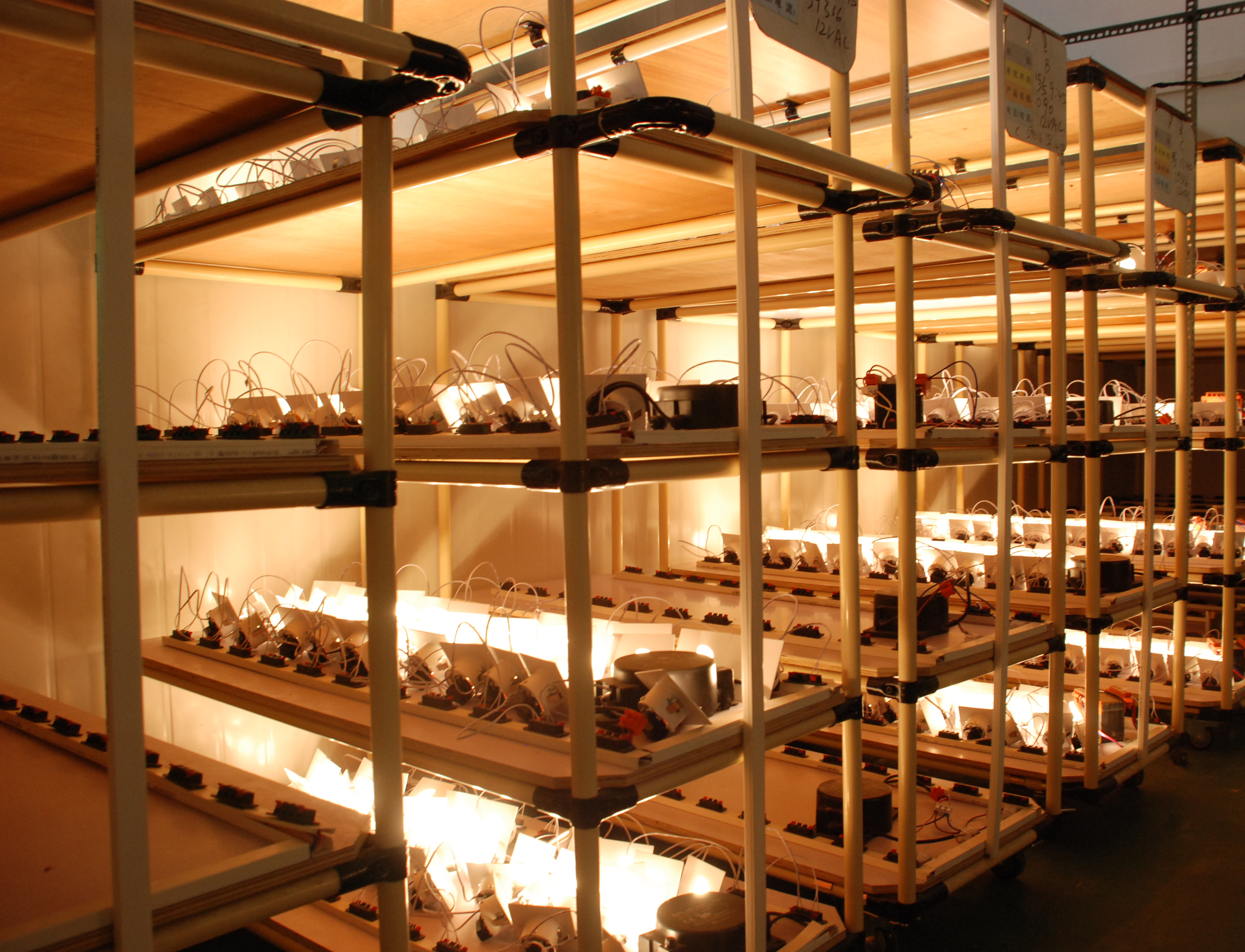
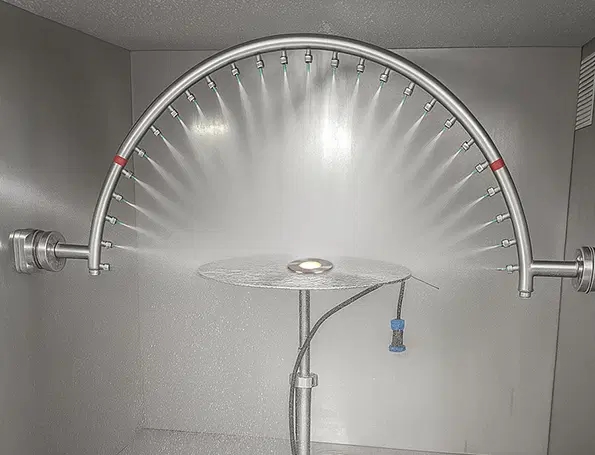
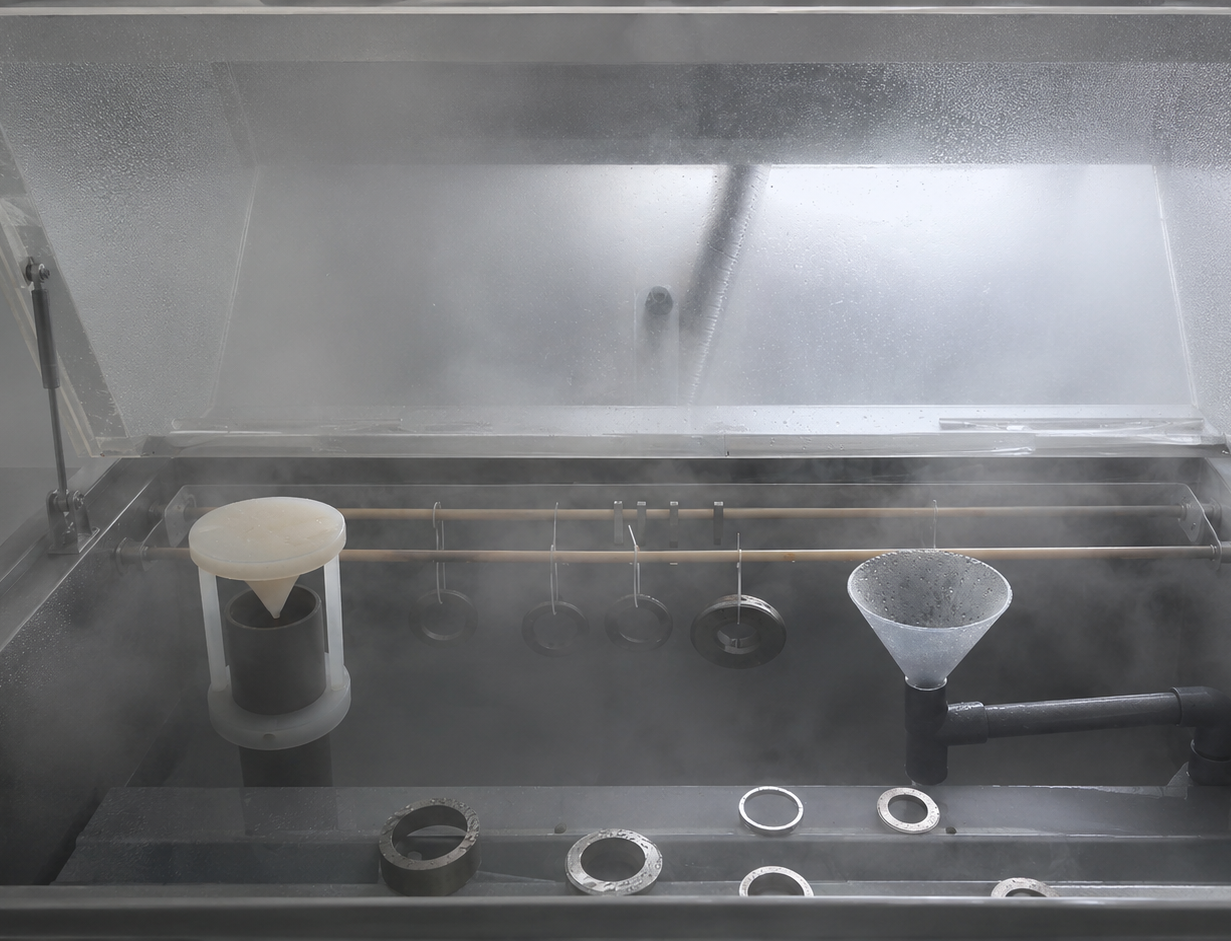
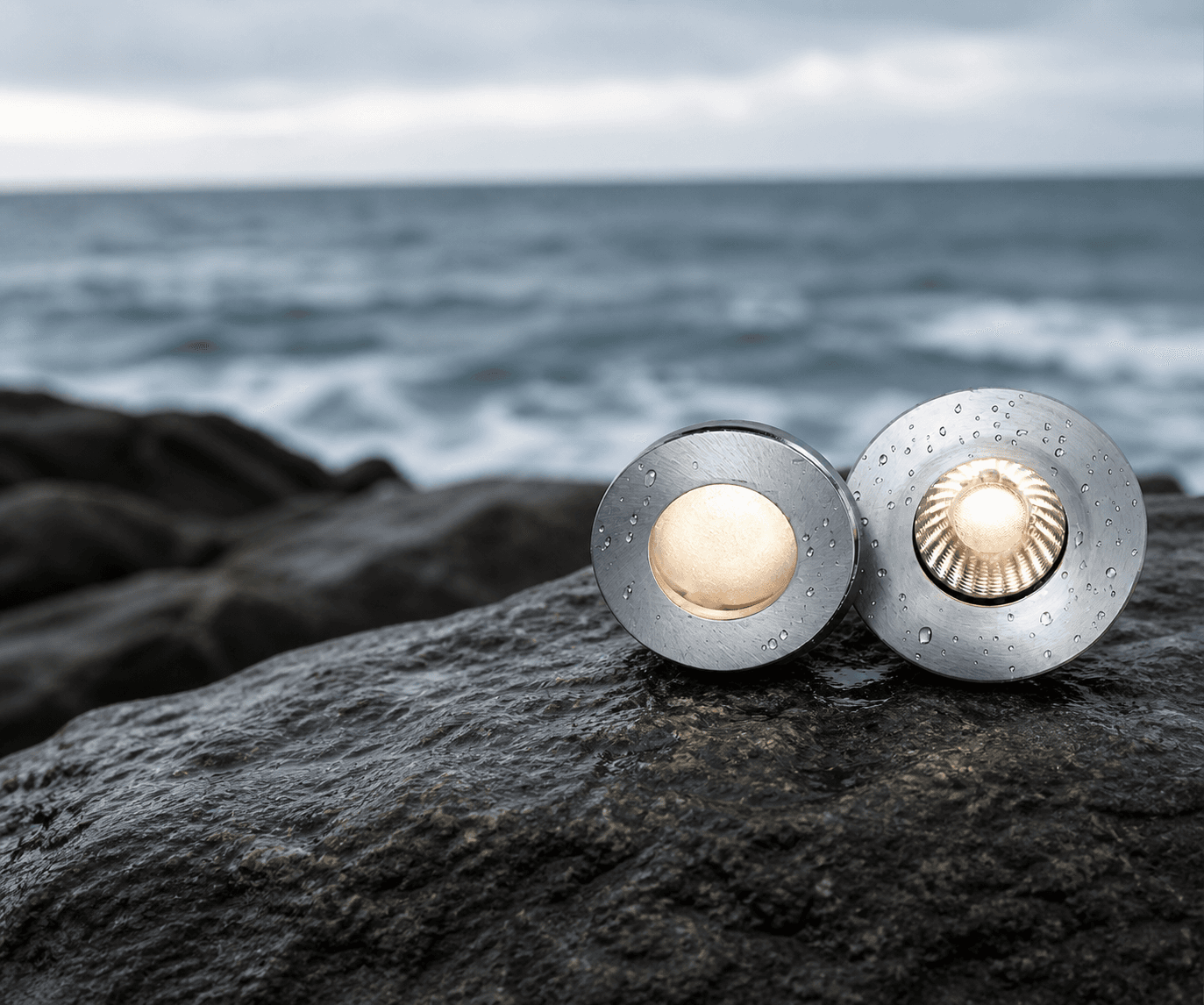
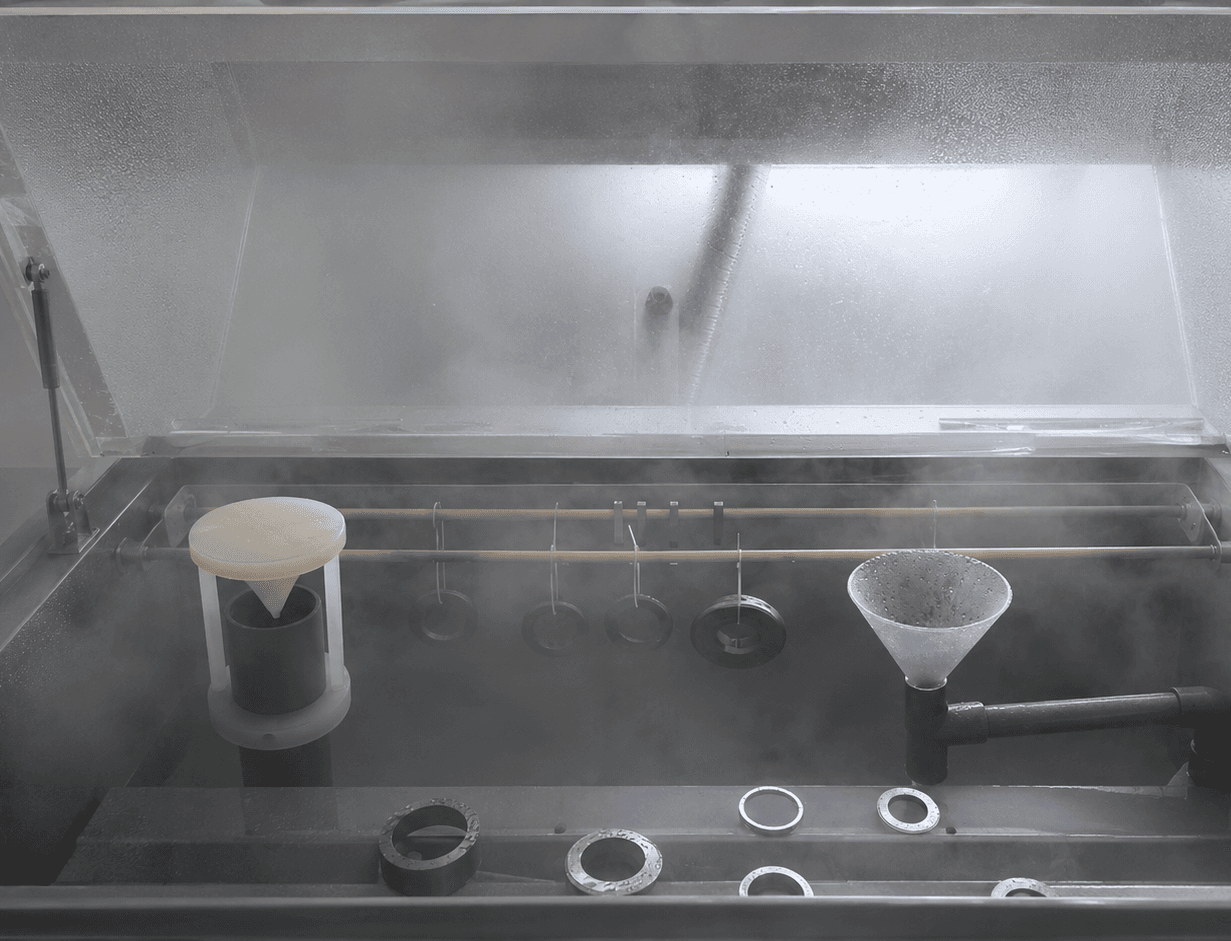
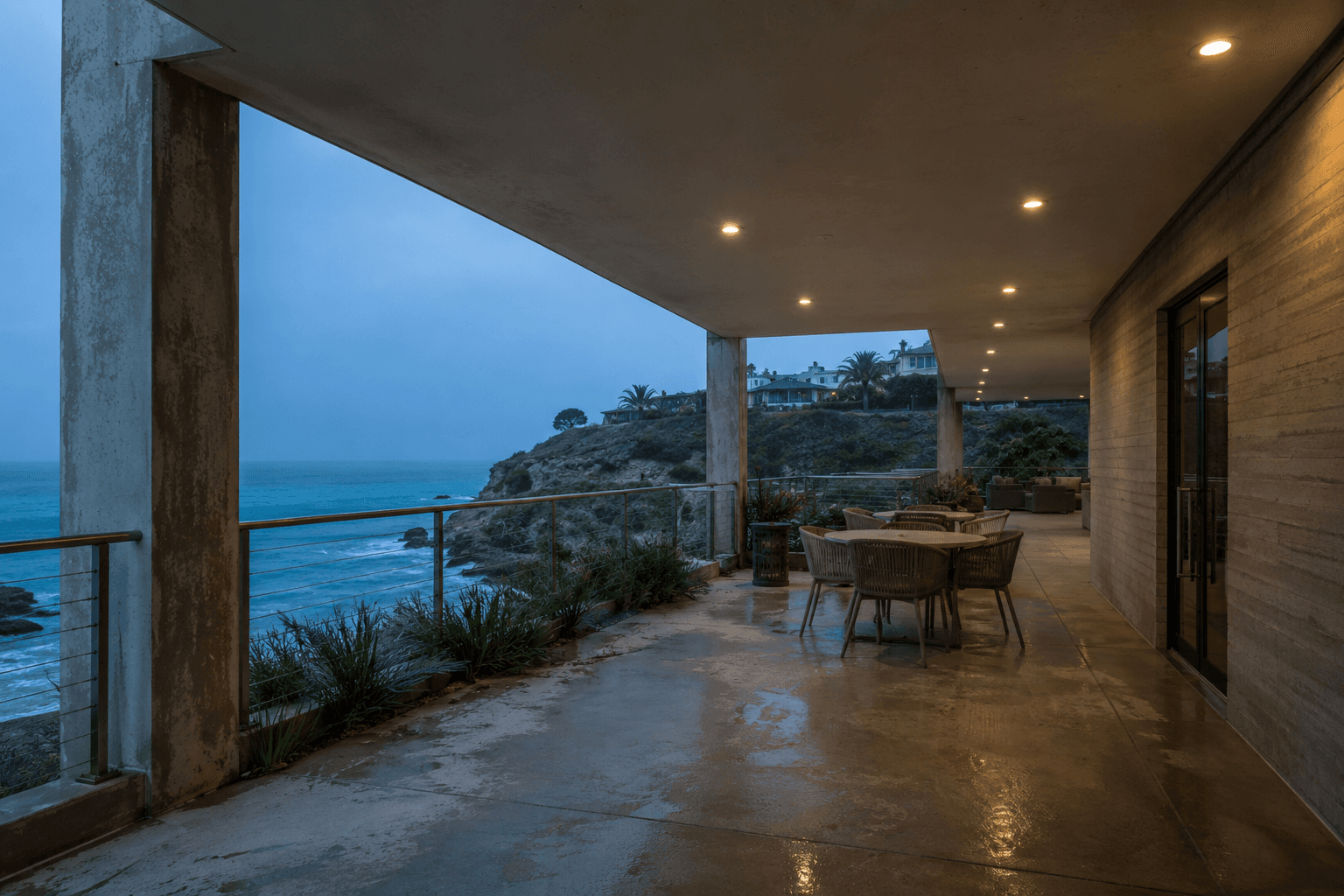
Illustrative environmental exposure only — not a test record or service-life claim.
IP is specific. An IP rating addresses enclosure protection against defined dust and water exposure; it does not confirm corrosion, vibration, chemical, UV or temperature resistance.
Salt-spray has limits. A salt-spray result is a controlled comparison or verification input, not a prediction of service life in an actual installation.
Standards require evidence. ISO, IEC, EN or UL references are confirmed only when the project test plan and supporting documentation apply.
06 / Engineering & manufacturing
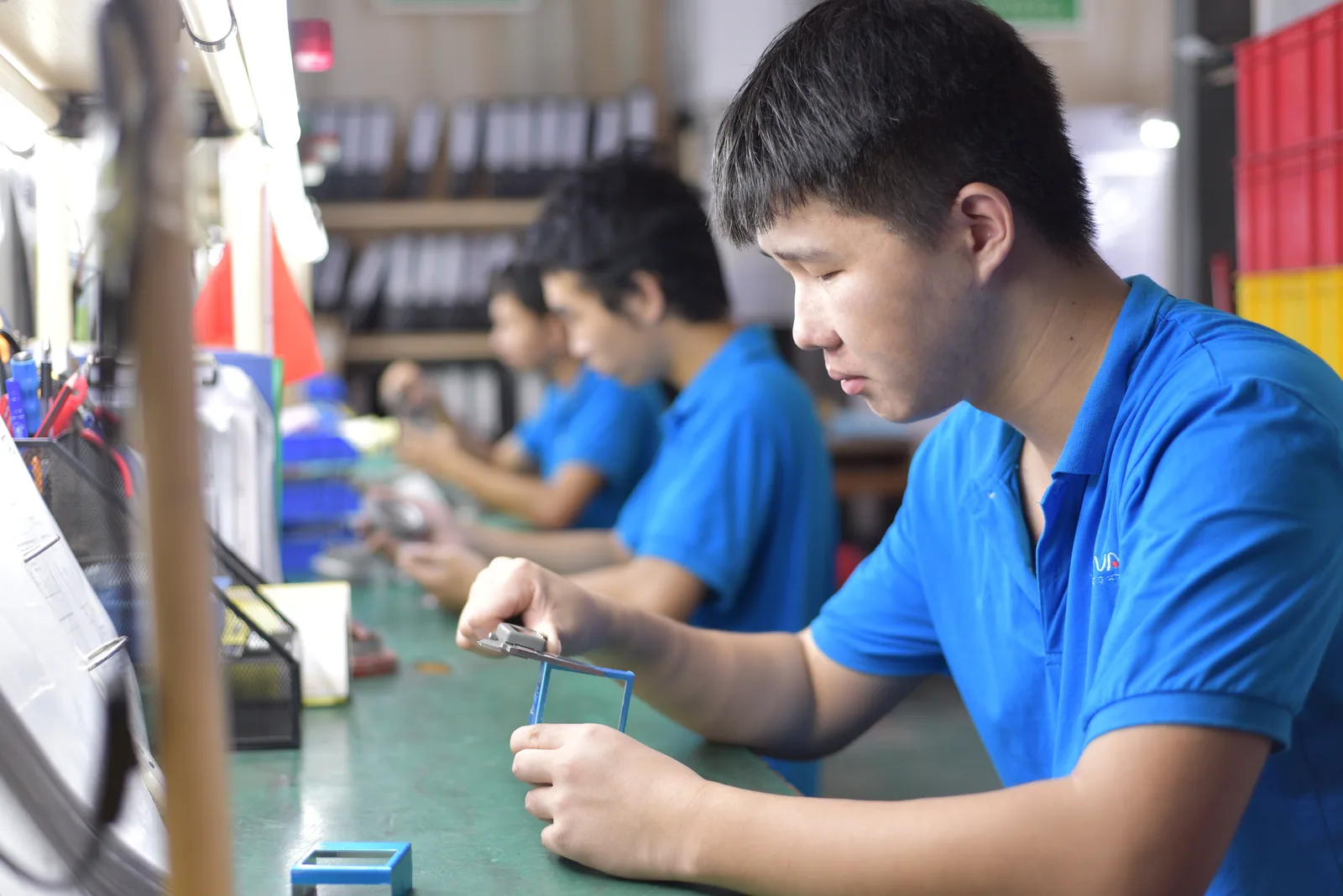
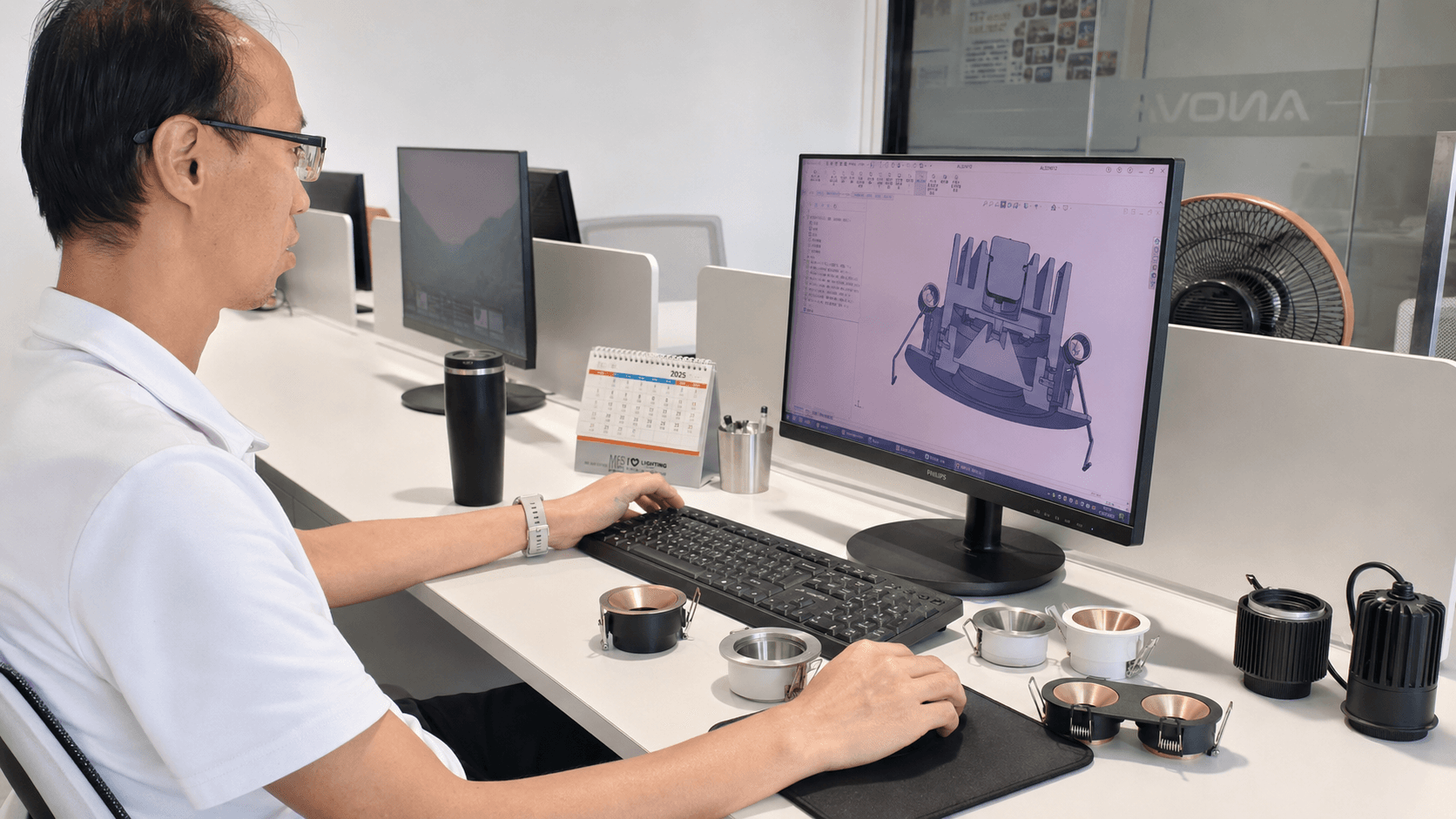
Engineering decisions must survive the handoff into prototyping, assembly and inspection. ANOVA coordinates development and production so approved materials, interfaces and critical requirements remain visible through the project.
Discuss the production path07 / Project support
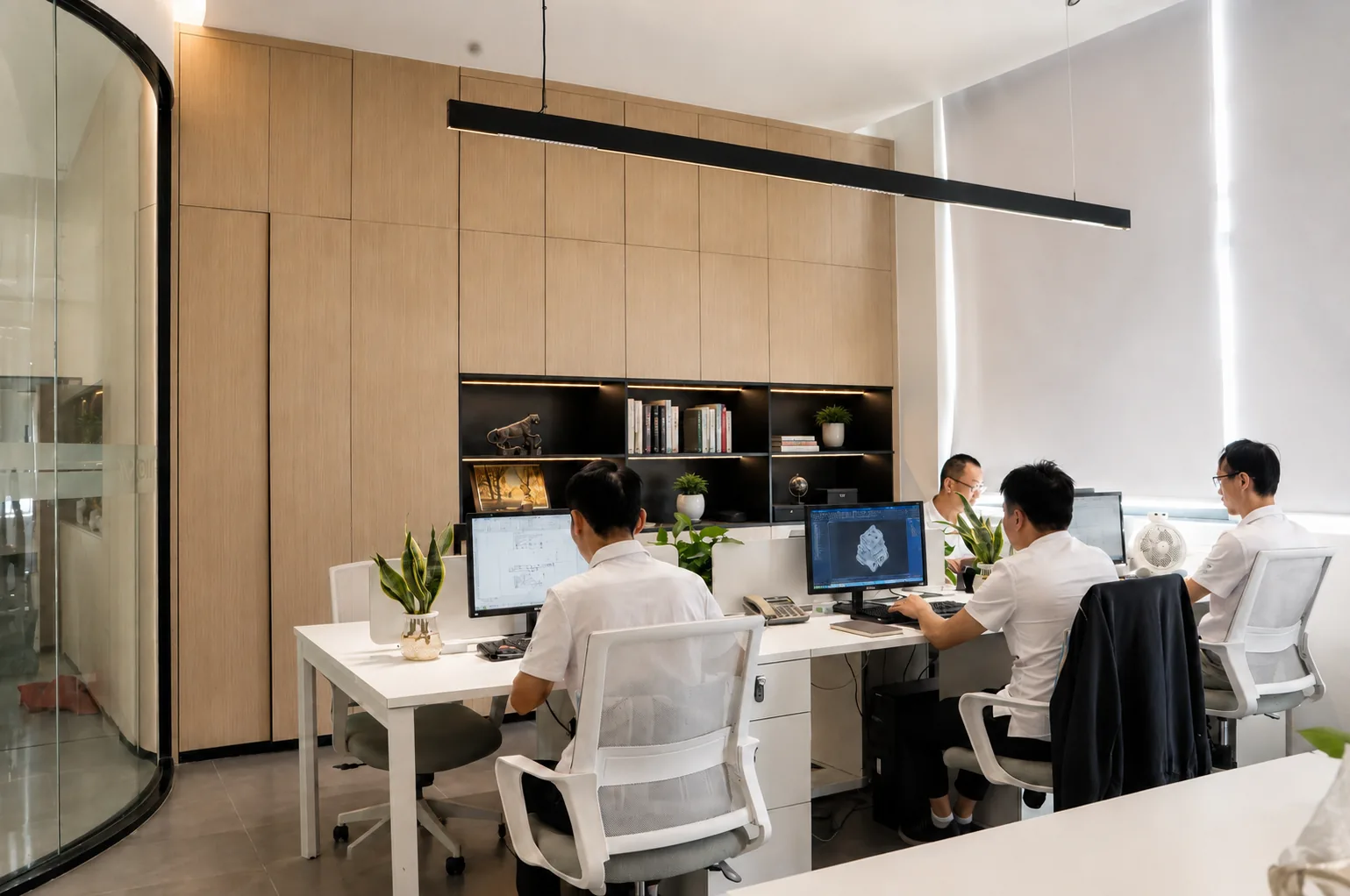
A structured working relationship that keeps environment, design decisions and verification aligned.
08 / Technical insights
Engineering, product development and lighting knowledge for commercial and ODM projects.
An engineering guide to coastal lighting design covering materials, coatings, sealing, fasteners, drainage, thermal management and validation for corrosive environments.
A practical project-brief checklist covering application, fixture, electrical, optical, material, quantity and reference information for ODM lighting development.
A procurement guide to reviewing modular downlight systems, optical and driver options, sample approval, quality checks, replaceability and inquiry requirements.
09 / Questions answered
Share the application, operating environment, mounting method, target market, expected quantity, known risks and any existing requirements. Early information can be incomplete as long as the assumptions and unknowns are clear.
Customer-specific drawings, samples, structures, dimensions and validation records are treated as project information and are not used as public marketing materials without authorization. Any additional confidentiality or document-control requirement should be agreed at project start.
Yes. Selection depends on the exposure, substrate, geometry, appearance target, installation, target market and validation plan. A material or finish that works in one environment is not automatically suitable for another.
No. An IP rating addresses enclosure protection against defined dust and water exposure. It does not by itself confirm corrosion, vibration, chemical, UV or temperature resistance.
Validation can be planned around the actual risks and target-market requirements. The method, sample configuration, acceptance criteria and whether testing is internal or third-party must be confirmed for the project.
Platform modification starts from a documented ANOVA base and reviews the effects of each change. New-product development begins from a broader requirement and normally needs more engineering, prototyping and validation work.