Cut-out size, ceiling depth, mounting method, voltage, environment and maintenance access are reviewed before product direction is decided.
 Get A Free Quote →
OEM / ODM LIGHTING SOLUTIONS
OEM/ODM Lighting Manufacturer for Project Development
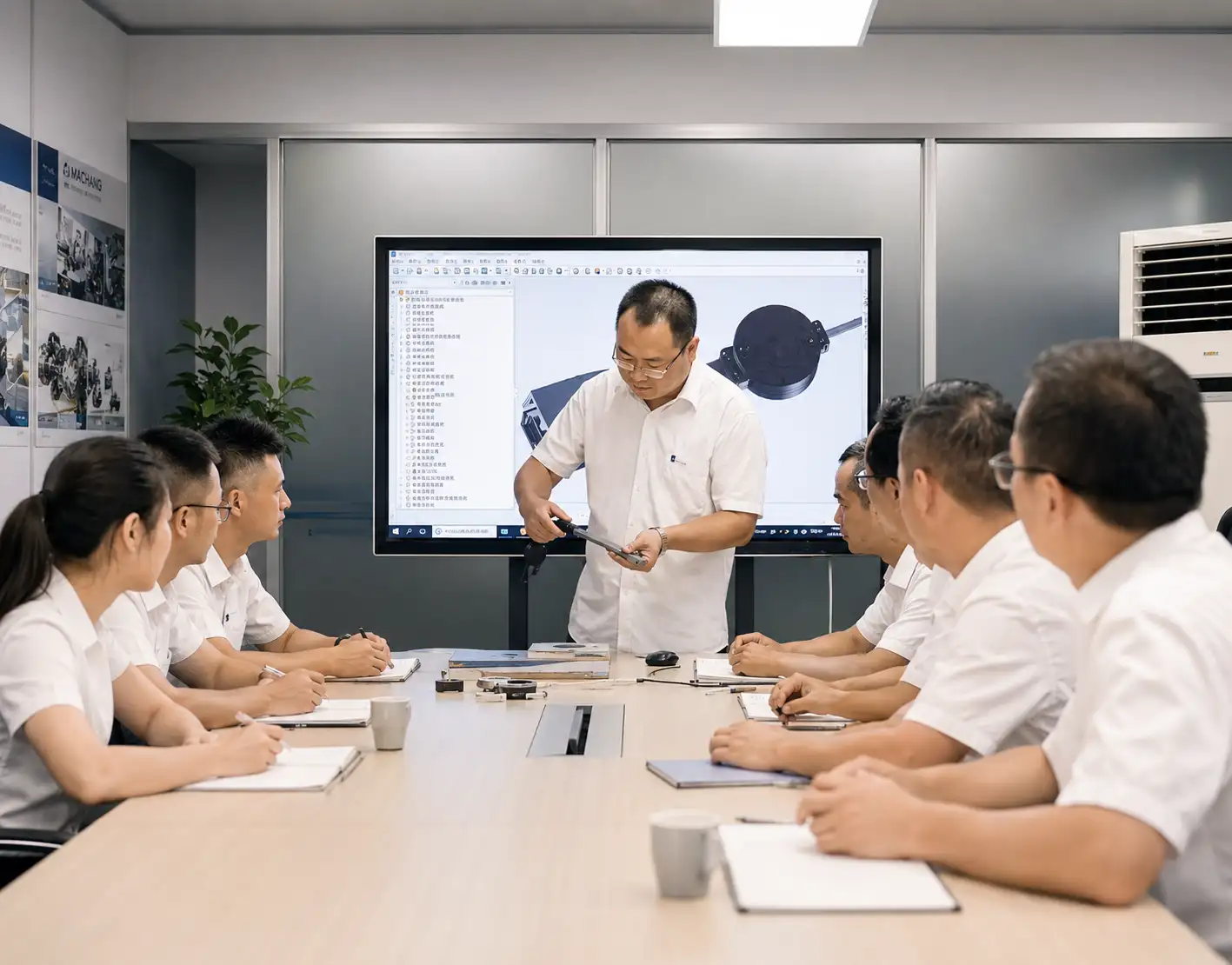
ANOVA supports lighting brands, importers, contractors and product teams as an OEM/ODM lighting manufacturer. ODM lighting solutions can adapt an established platform, OEM LED lighting can follow a defined buyer brief, and private-label lighting can prepare an existing product for a target market. Each route connects requirements, engineering review, prototypes, validation and manufacturing preparation so the approved configuration can move into controlled production.
Where possible, we start from an existing module, optic, housing or driver platform and change only what the project actually requires.
Optical, thermal, electrical, sealing and mechanical checks are selected around the risks of the actual application.
OEM/ODM project requirements
Built for Product Teams With Defined Manufacturing Requirements
Demanding installation environments
Lighting developed around real installation constraints.
For projects where limited space, moisture, vibration, voltage systems and maintenance access affect the final lighting solution.
- Extreme Environment Lighting
- Compact installation spaces
- 24V / 48V systems
- Moisture and corrosion concerns
- Vibration and mounting
- Maintenance accessibility
Contractors, consultants and integrators
Projects that must match drawings and site conditions.
For contractors, lighting consultants and specialist project teams that need a product to match drawings, installation conditions and project specifications rather than simply choosing a catalog item.
- Drawing-based development
- Fixture replacement
- Cut-out matching
- Beam and glare requirements
- Dimming and driver coordination
- Project documentation
ANOVA is a China-based lighting manufacturer supporting international OEM/ODM lighting projects. Project requirements can be reviewed with electrical contractors, lighting consultants, design offices, specialist contractors and project integrators.
What a real project usually starts with
This is where OEM/ODM development actually begins.
A project does not always start with a finished specification.
Sometimes it starts with a drawing. Sometimes with a sample from an existing installation. Sometimes with a cut-out size, voltage requirement or waterproofing problem. And sometimes the customer only knows what is not working in the current product.
“We need a fixture that fits this ceiling detail.”
“This product works, but we need different optics, finish or dimensions.”
“The space is shallow and maintenance access is difficult.”
“We need better glare control, sealing, thermal performance or serviceability.”
Development models
Choose the development route that fits the project.
OEM lighting solutions, ODM lighting solutions and private-label work do not require the same level of development. The practical route depends on what already exists and what the installation actually requires.
Adapt an Existing Platform
Start from an existing ANOVA module, housing, optic or driver platform and adjust dimensions, optics, finish, controls or installation details to fit the project.
Best whenThe application is clear but a complete product does not need to be developed from zero.
Build to a Defined Product Brief
Develop around customer drawings, reference samples or defined technical requirements when the product direction and ownership are already established.
Best whenThe customer has a clear specification, drawing or existing design.
Brand an Existing Product
Use an existing product with customer branding, packaging and agreed documentation when speed matters more than structural customization.
Best whenThe existing product already fits the application and only market-facing changes are required.
Working in practice
What Makes Project Development Easier in Practice
Installation details and performance requirements are reviewed before the product direction is fixed.
We do not rebuild every component if an existing module, optic or housing can already solve part of the project.
Prototypes and samples allow structure, optics and installation details to be reviewed before larger production decisions are made.
Testing is selected according to what the product actually needs to survive and perform.
Beam angle, finish, driver, wiring, installation details and accessories are easier to adjust before the product reaches production.
Drawings, specifications and agreed project information help different teams stay aligned during development.
Development process
OEM/ODM Manufacturing From Project Brief to Delivery
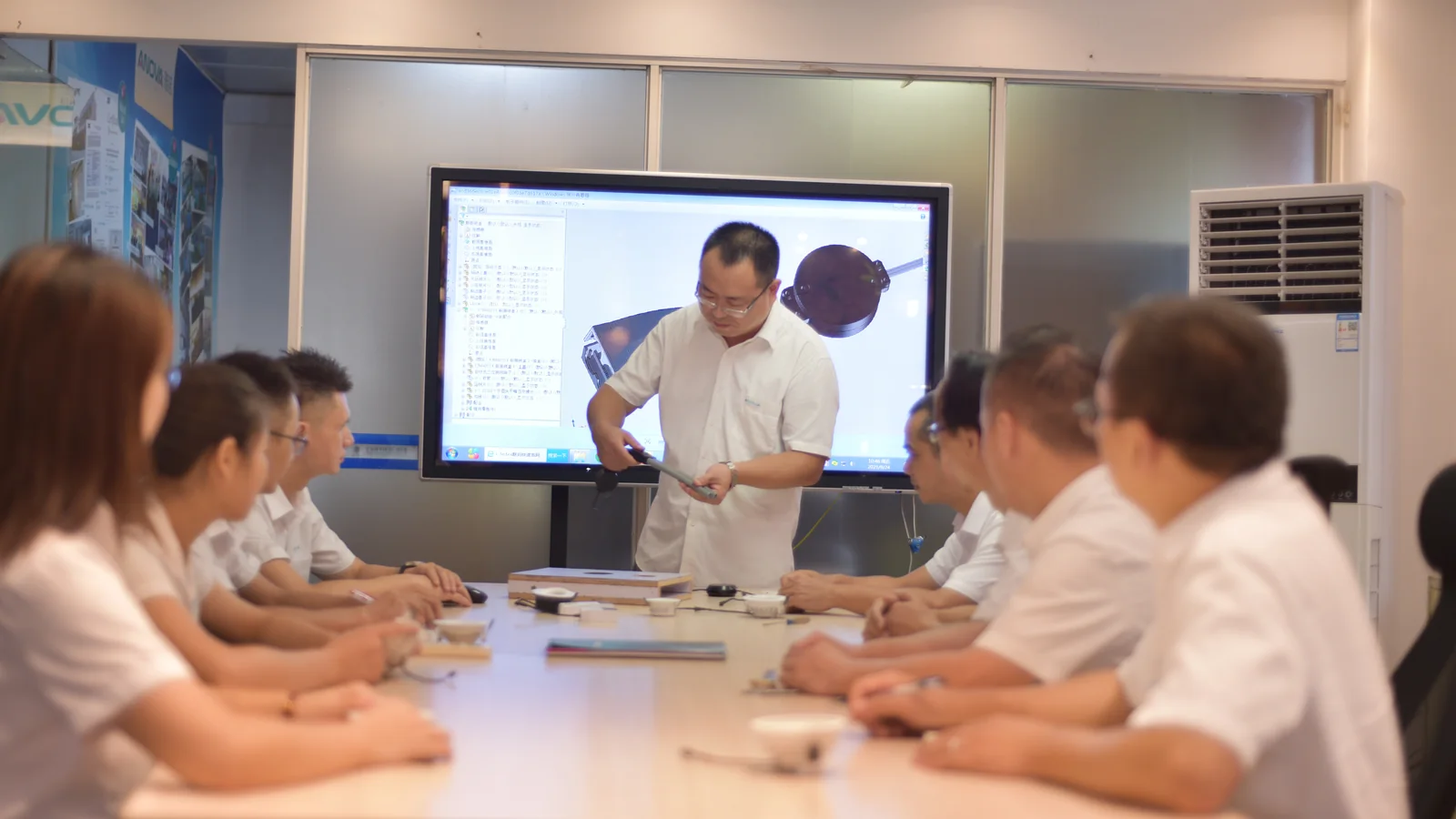
The process stays structured without forcing every project into the same mold. Each stage is adjusted around the product type, installation conditions, target market and technical risk. See the stage deliverables in the ODM lighting development process.
Project Brief
Application, installation conditions, target market, schedule and performance goals.
Feasibility Review
Structure, optics, electronics, thermal and installation conditions are reviewed.
Concept Development
Product direction, dimensions, materials, optics and driver configuration.
Prototype
Sample production for physical and functional review.
Testing and Validation
Checks selected around actual project risks.
Pilot Production
A small production run can be reviewed before wider release, where applicable.
Production and Delivery
The agreed configuration moves into production with the required marking, packaging and project documents.
Customization capabilities
Adjust the parts that matter to product fit, installation and market position.
Physical Configuration
- Housing & dimensions
- Cut-out & installation
- Mounting
- Surface finish
- Accessories
Light & Optics
- Beam angle
- Optics
- Glare control
- CRI
- Colour temperature
- LED module
Electrical & Control
- Driver
- Dimming
- Voltage
- Connectors & wiring
Brand & Project Details
- Packaging
- Private label
- Technical documents
- Marking
- Project-specific accessories
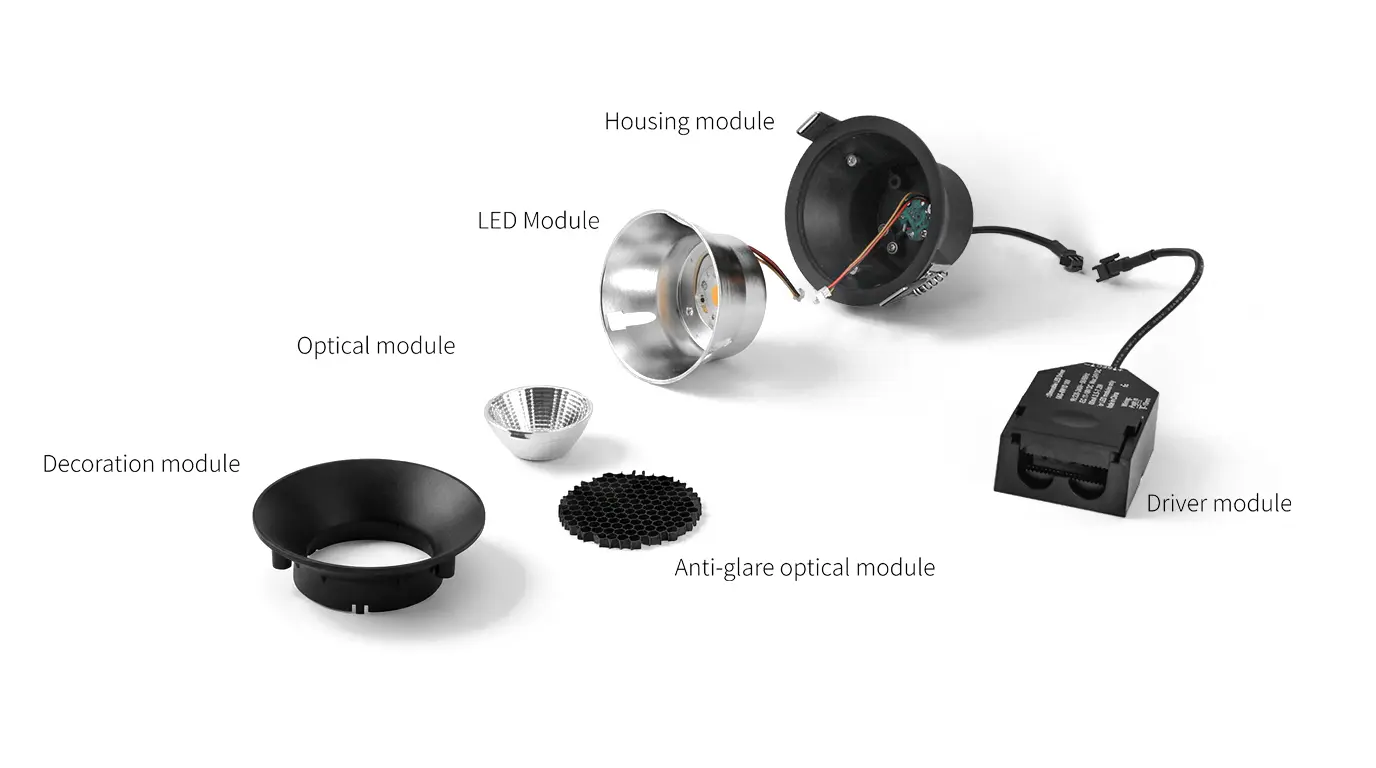
Modular lighting development
One product family can support many project variations.
A project may need a different beam, cut-out, finish or driver without requiring a completely new lighting architecture.
Same housing → different opticsSame module → different frameSame product family → different driver / control
Explore Module Design →Engineering and validation
Engineering and Testing Support Manufacturing Decisions
Not every project needs the same test plan. Review ANOVA lighting engineering capability and testing and validation used to support project approval.
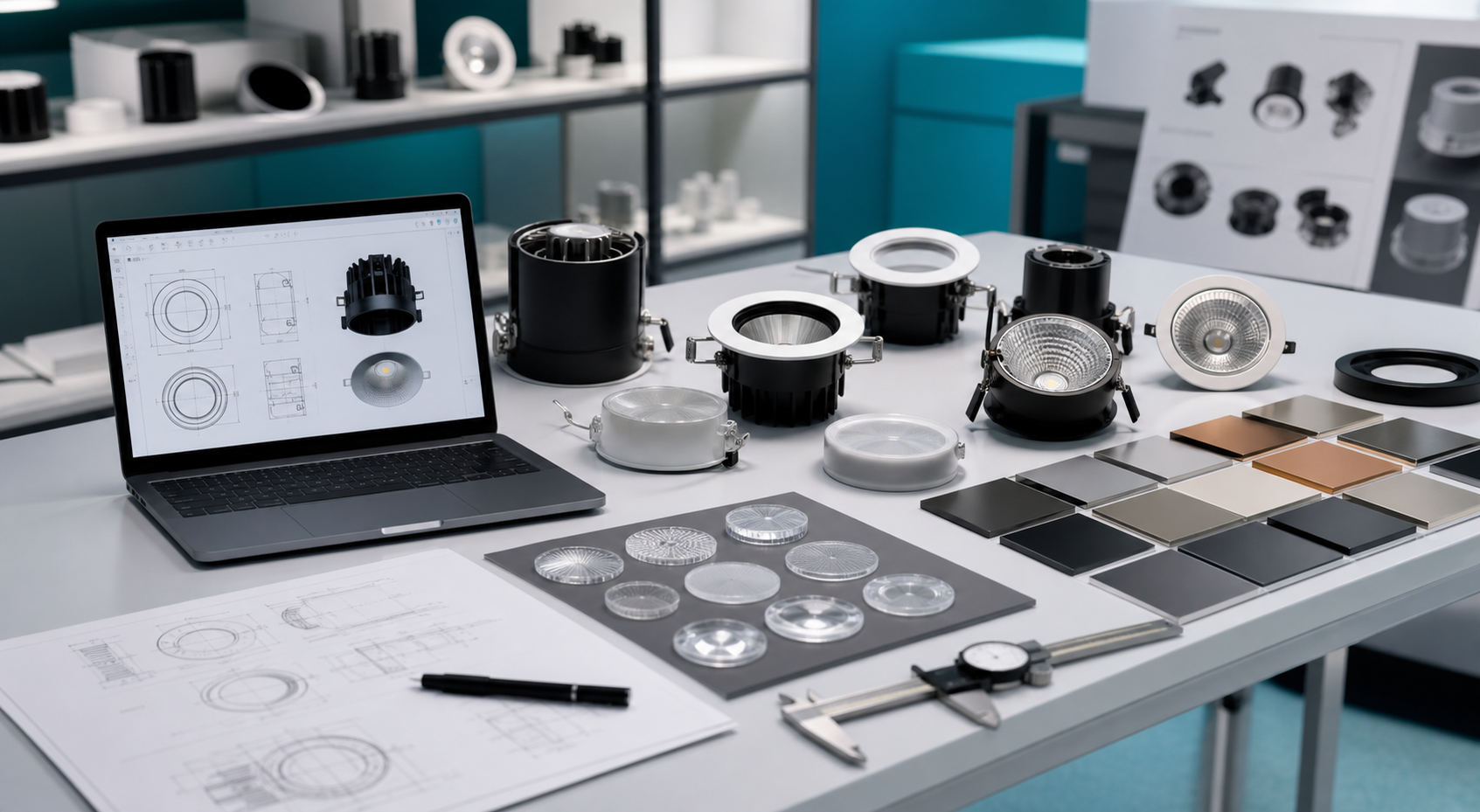
Product Engineering
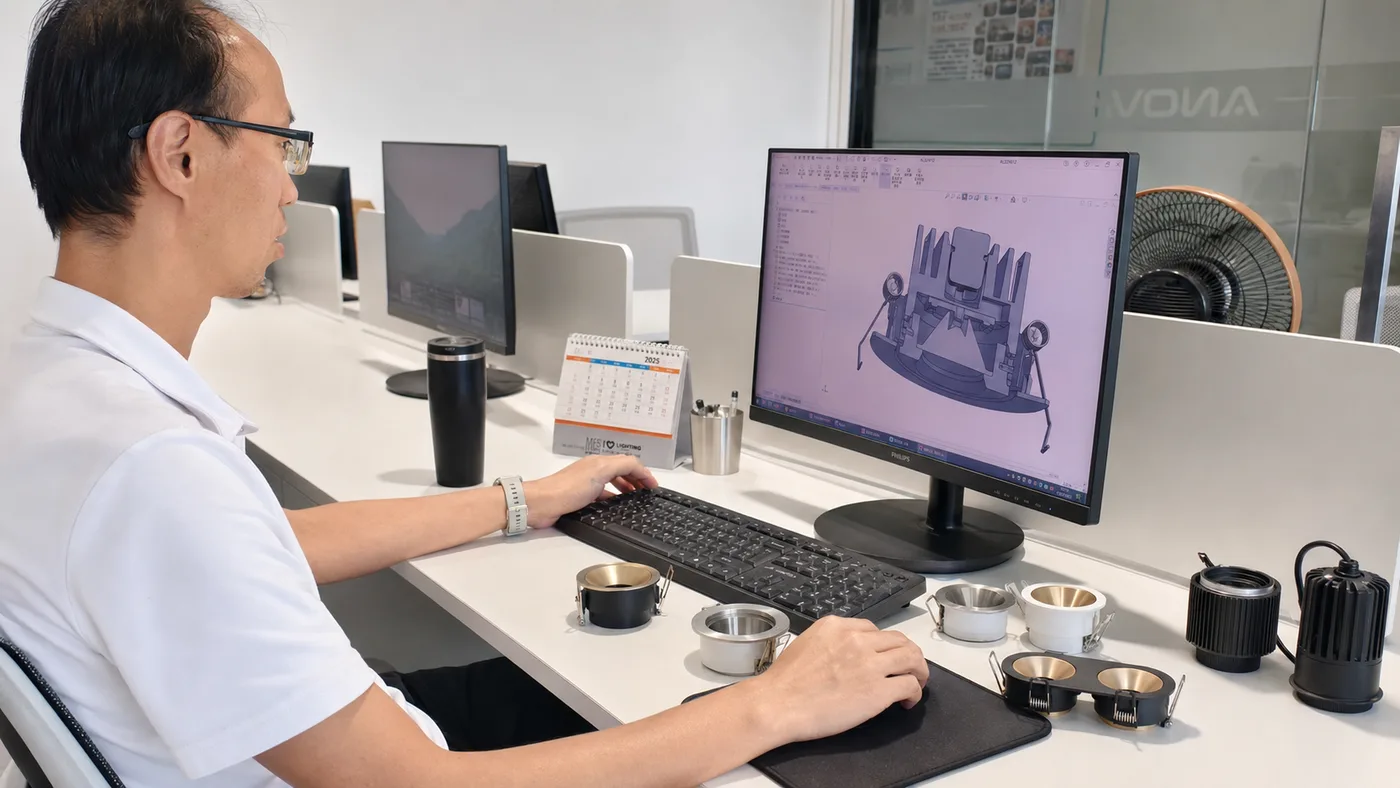
Configuration review for optics, structure, driver matching and project requirements.
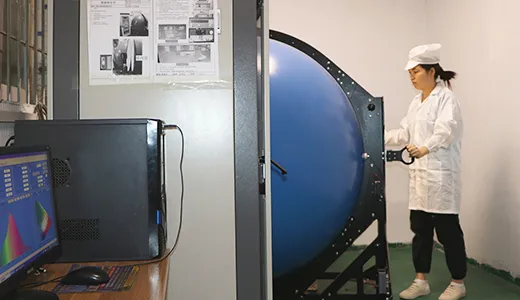
Optical Testing
Light performance checks can be reviewed as part of agreed product validation.
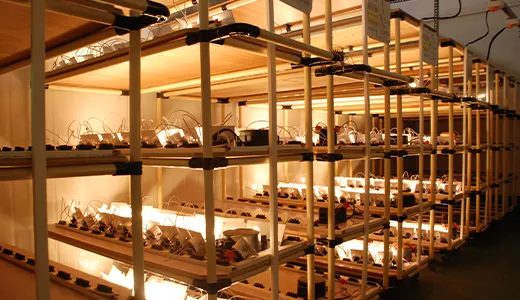
Ageing Review
Product stability is checked according to actual project needs and product type.
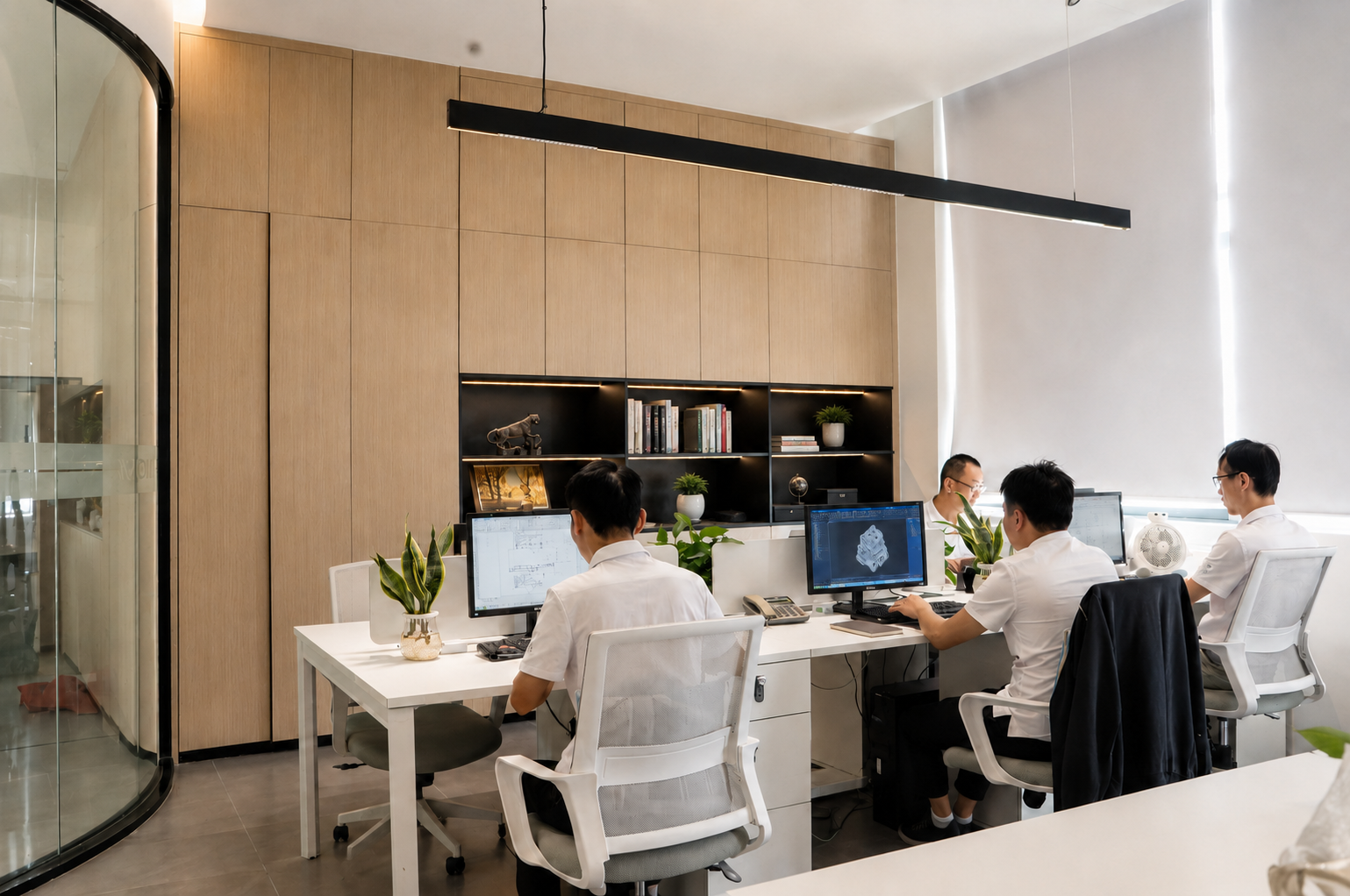
Assembly Inspection
Manufacturing and final checks are coordinated before shipment.
Wet or corrosive environments
Sealing, corrosion, wiring and thermal stability can be reviewed according to the application.
Vessel, rail or moving installations
Mounting, vibration, connectors and mechanical retention can be reviewed according to project requirements.
Commercial and visual applications
Optics, glare, dimming and thermal performance can be reviewed where applicable.
Product platforms
OEM/ODM cooperation can start from existing ANOVA lighting families.
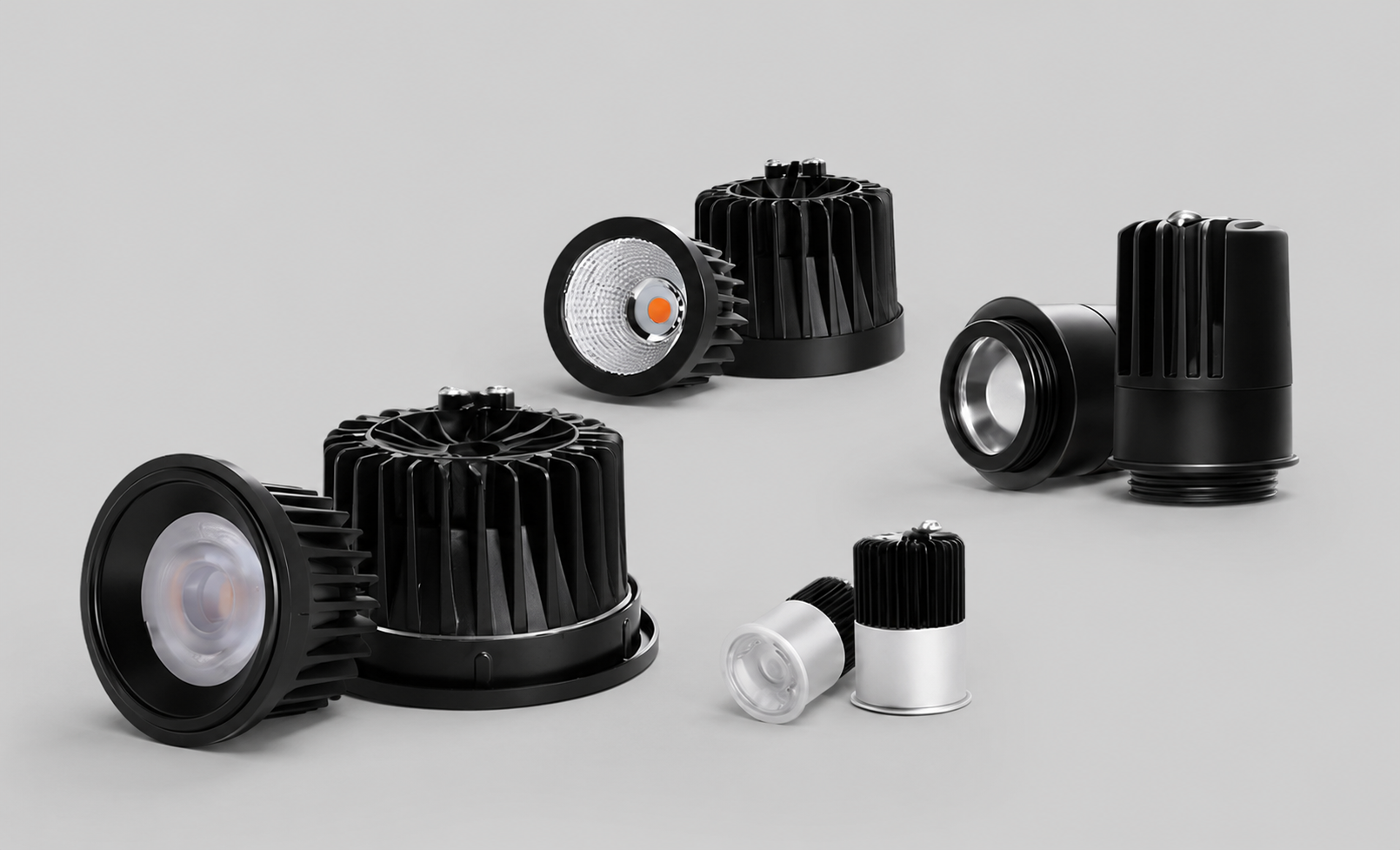 MR11 / MR16 / AR70 / AR111 Platform Development
Modular LED engines can support different optics, frames, controls and compact fixture configurations.
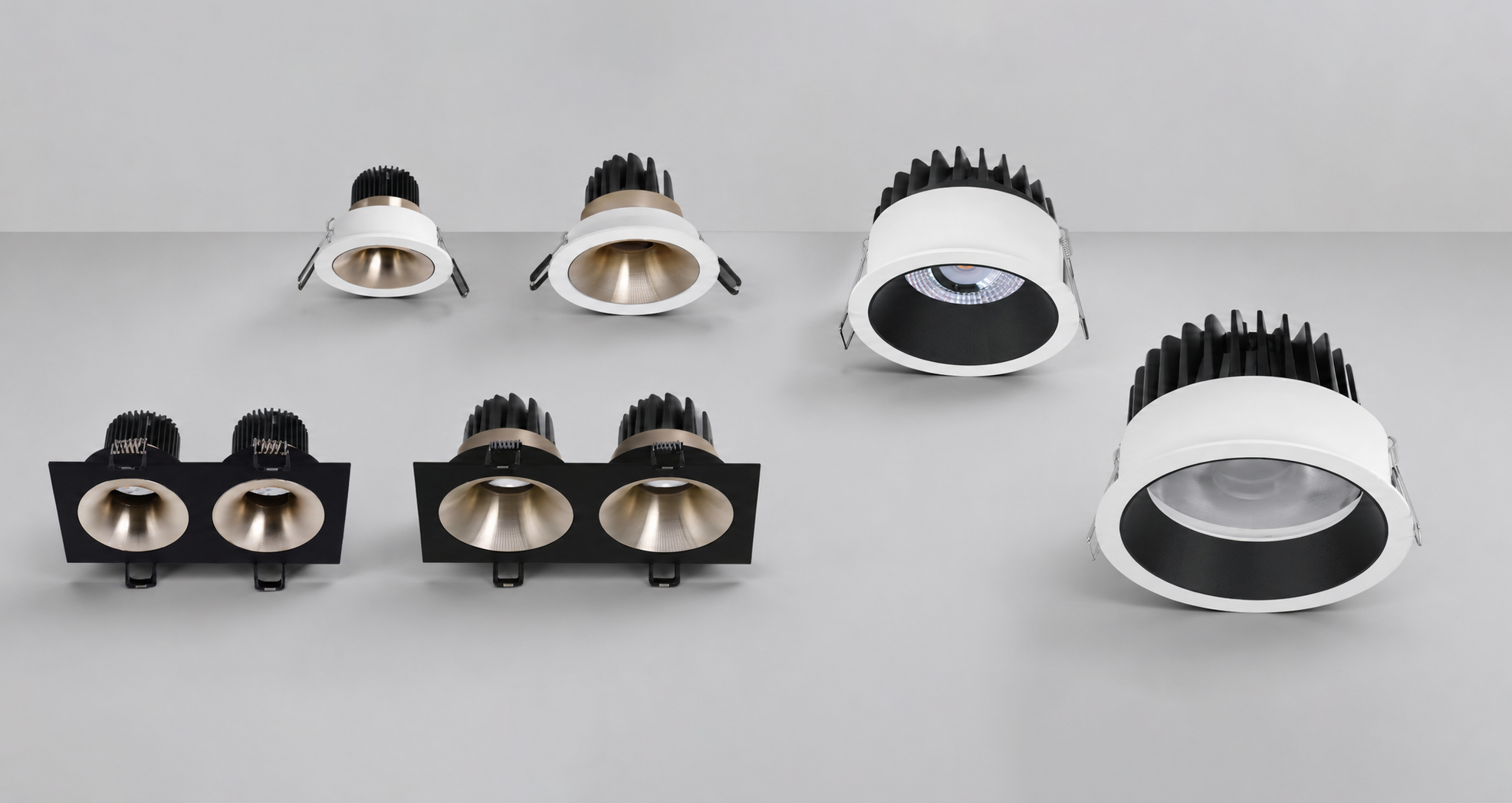 Downlights, Reading Lights, Ambient and Compact Fixtures
Existing product structures can be adapted around installation, optical and electrical requirements.
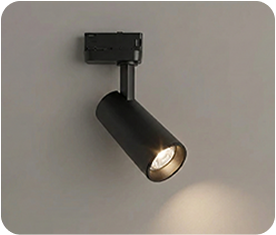 Products Adapted for Demanding Installations
Adapted products for vessel, rail, wet-area and demanding installation conditions can be reviewed by project.
Detailed project paths
Continue with the development route that matches your brief.
Review the ODM lighting development process, engineering capability, testing and validation and project experience. Continue to custom LED lighting development when a buyer-specific product is required, or send a project inquiry when the brief is ready.
Also suitable for lighting brands and importers developing project-specific product ranges.
Start an OEM/ODM project
Send Your Project Brief →
Ready to Start a Lighting Manufacturing Project?
Send the application, target market, drawing or reference product, required changes, expected quantity and schedule. We will review the most practical OEM, ODM or private-label route.