On 23 September 2026, shortly before the Mid-Autumn public holiday (25-27 September), the Foshan campus of ANOVA Lighting, home of the company's one-stop architectural lighting partner story, hosted its Mid-Autumn Festival celebration. The whole company took part, the internal event committee ran the show, and the programme was opened by the company's founder, who later returned to the stage to open the garden-party segment.
It looked like a party. It ran like a project.
The Rules Came First
Before the first ring left anyone's hand, the terms of the contest were already public. Game rules were published in advance, and the scoring system was defined up front: champion, runner-up, and third place would be decided by cumulative points across the four garden games, the evening performances, and hosting duty—not by any single moment of luck.
Seven teams, named after figures from Chinese mythology and classic literature, competed under those terms all afternoon: Team Nezha, Team White Dragon, Team Journey to the West, and four more.
A game without rules is noise. A game with rules becomes a contest.
Four Games, Timed and Tallied
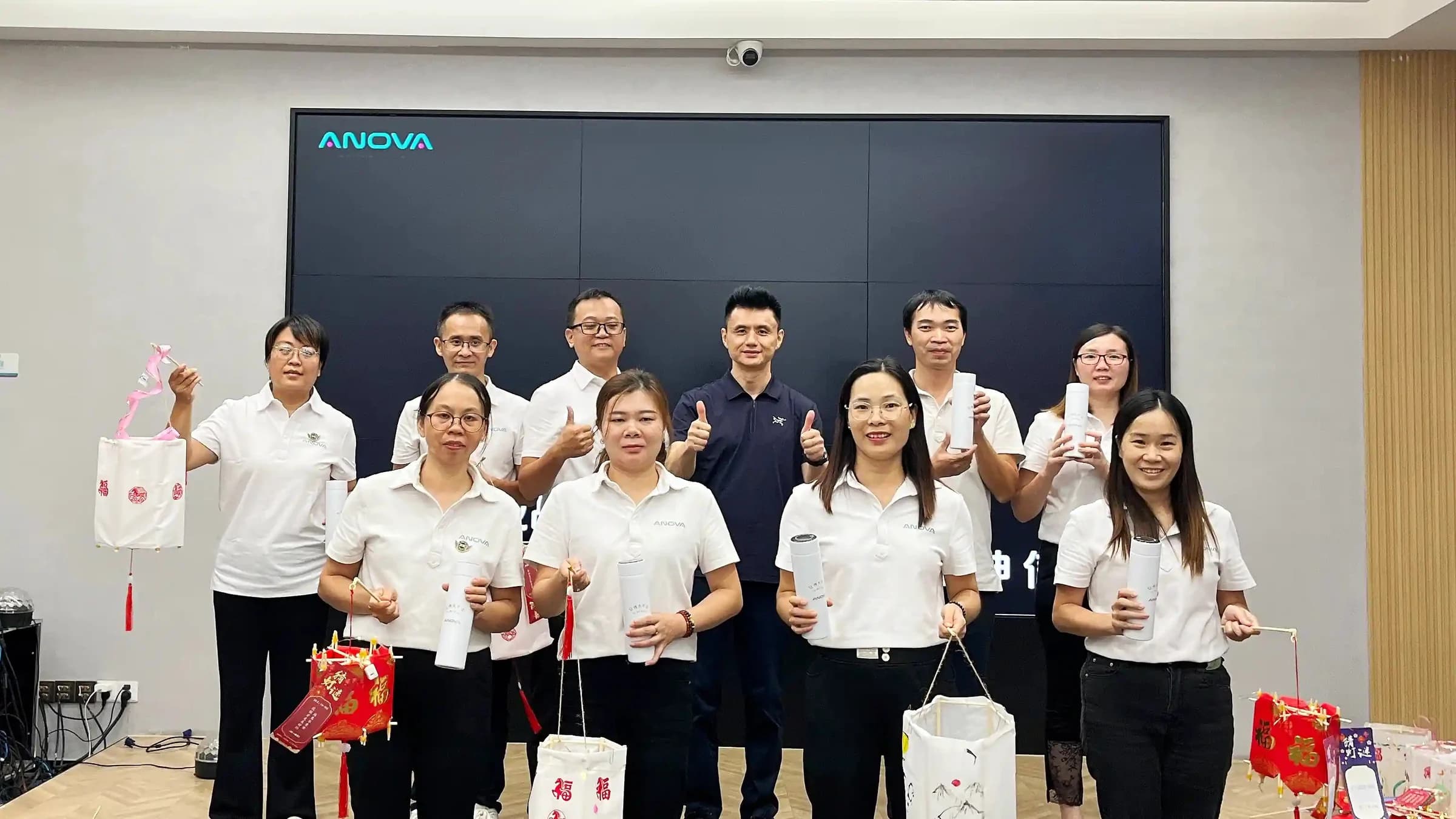
Each garden game carried its own structure. Ring toss tested aim and nerves. The bottle-standing challenge ran head-to-head across three cumulative rounds, so one slip never settled anything. In lantern-making, every team had fifteen minutes to build a single Mid-Autumn-themed lantern, then a separate fifteen minutes to present it and face the judges—build time and defense time, metered independently.
The lantern-riddle round added a twist worth noticing. Each team drew twenty prepared riddles and wrote ten of its own, and the finished cards hung beneath that team's lantern for rival teams to solve. The teams were not only answering questions. They were setting them.
Everyone Wore a Title
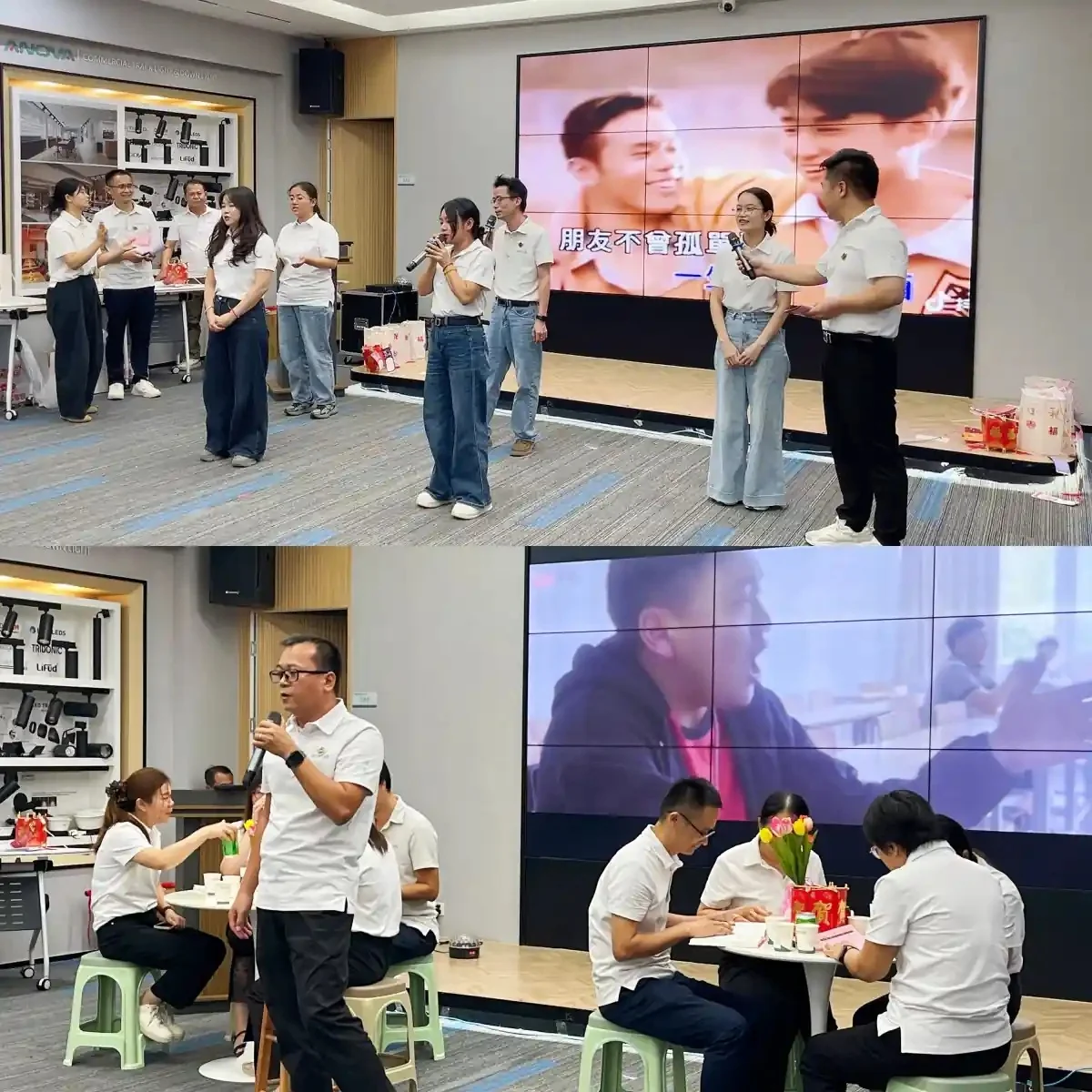
Role discipline was the quiet engine of the day. Every station was run by staff volunteers with defined jobs: game officers ran the games, timekeepers kept the rounds honest, scorekeepers logged every point, order monitors kept lines moving, emcees held the programme together, and transition guides walked teams between stations. Between segments, transition crews reset each station so the next game started clean.
Behind the stations, an admin team handled materials, prizes, and catering, and a photographer documented the day. And one rule carried special weight: looking up riddle answers on smart devices was prohibited, with monitors enforcing it. The point was not suspicion. The point was that a contest means something only when everyone plays by the same terms.
Dinner, Gala, and Six Rounds of Luck
Evening moved to the main hall. A catered group dinner was punctuated by toasts from team leads, and the gala that followed was scored throughout: a choral performance of the company's own anthem, a comedy talk-show act on the origins of Mid-Autumn, and four more song and dance acts, all judged. Mid-programme, the room paused for an employee birthday celebration, with the founder presenting the birthday gift.
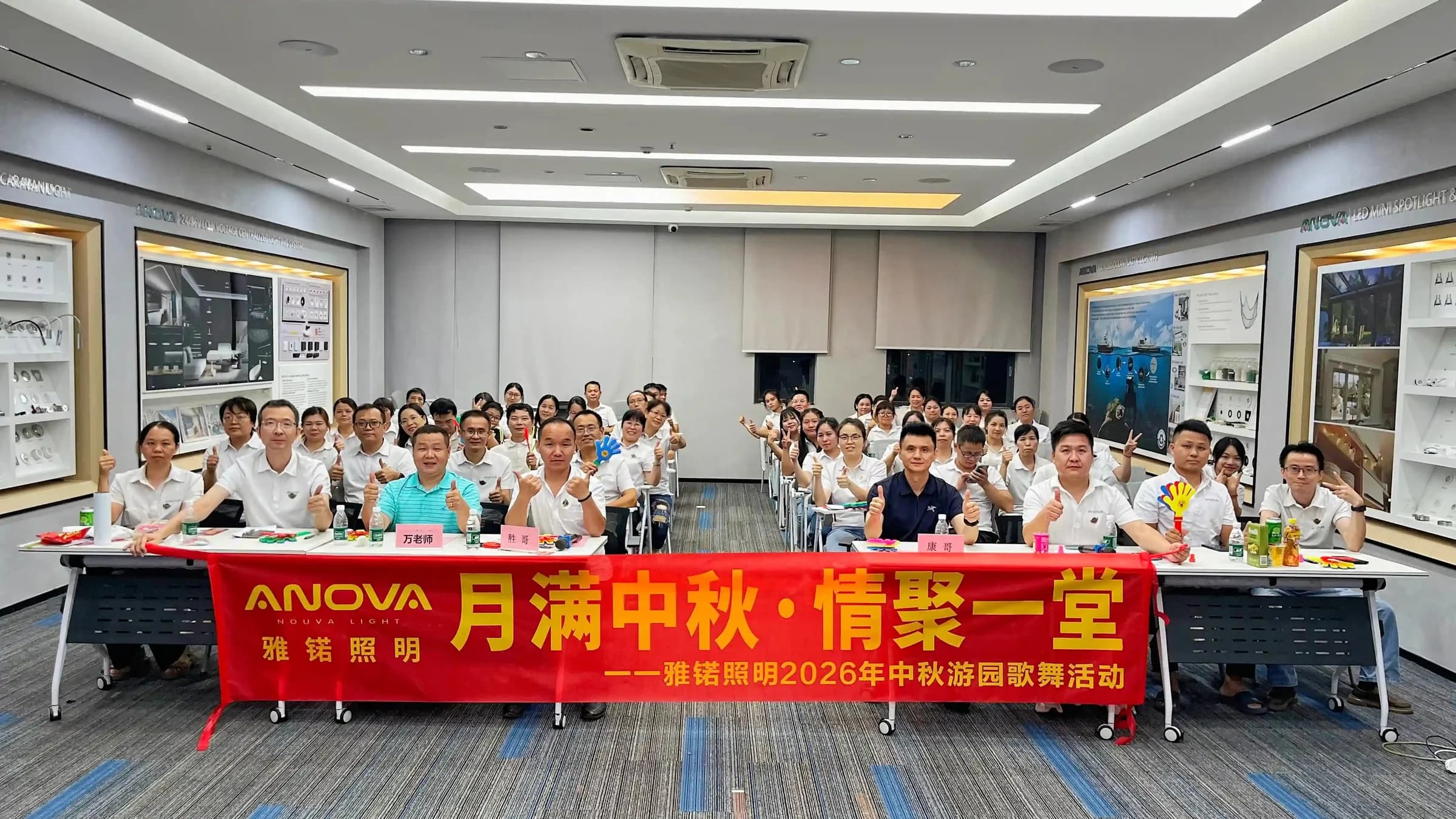
Then came the six-round lucky draw, the evening's running thread of anticipation, before the team championship was settled by the day's cumulative points across four games, performances, and hosting. A whole-company group photo closed the celebration a little after 21:00.
Define the Rule, Assign the Role, Verify the Result
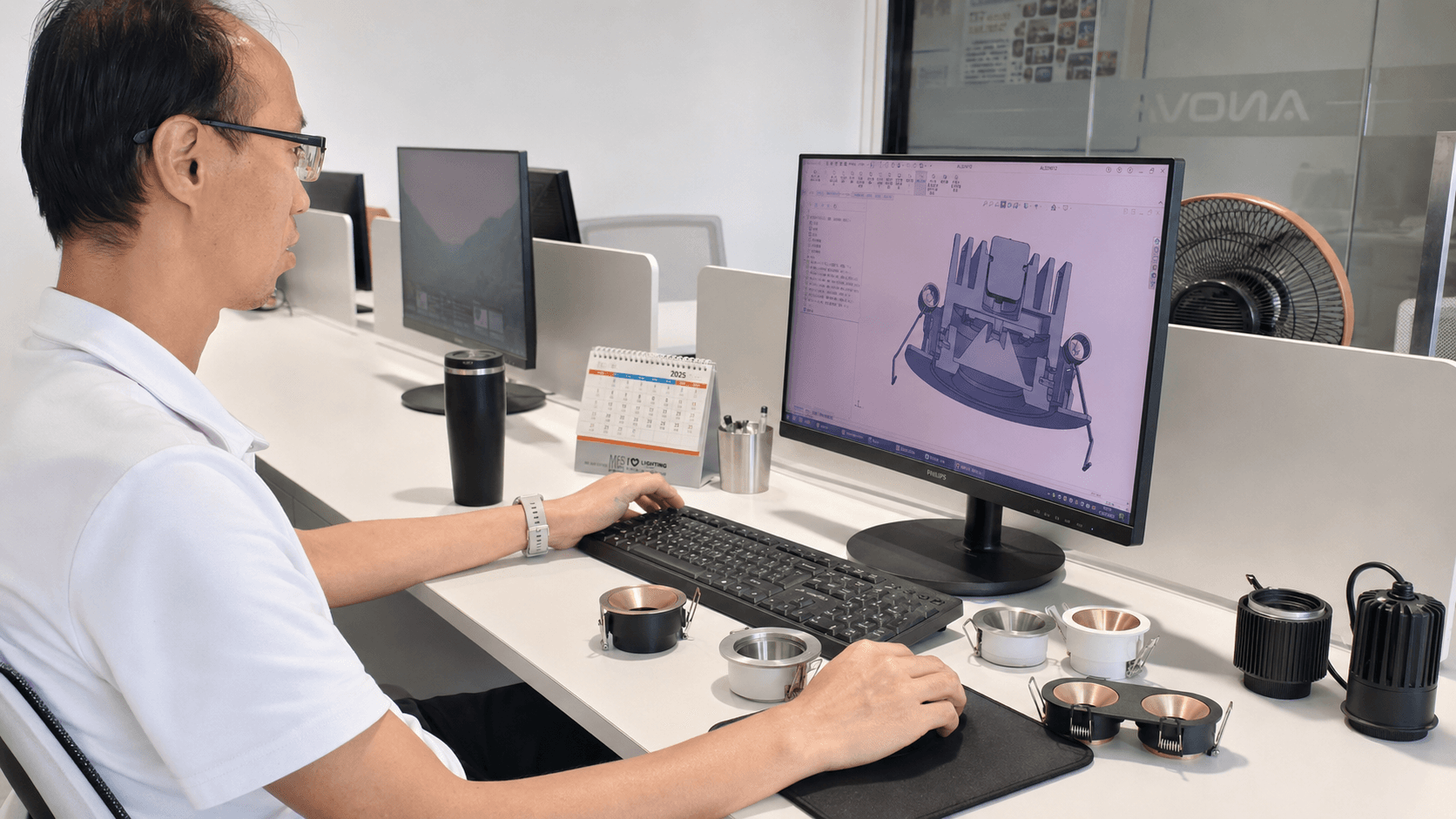
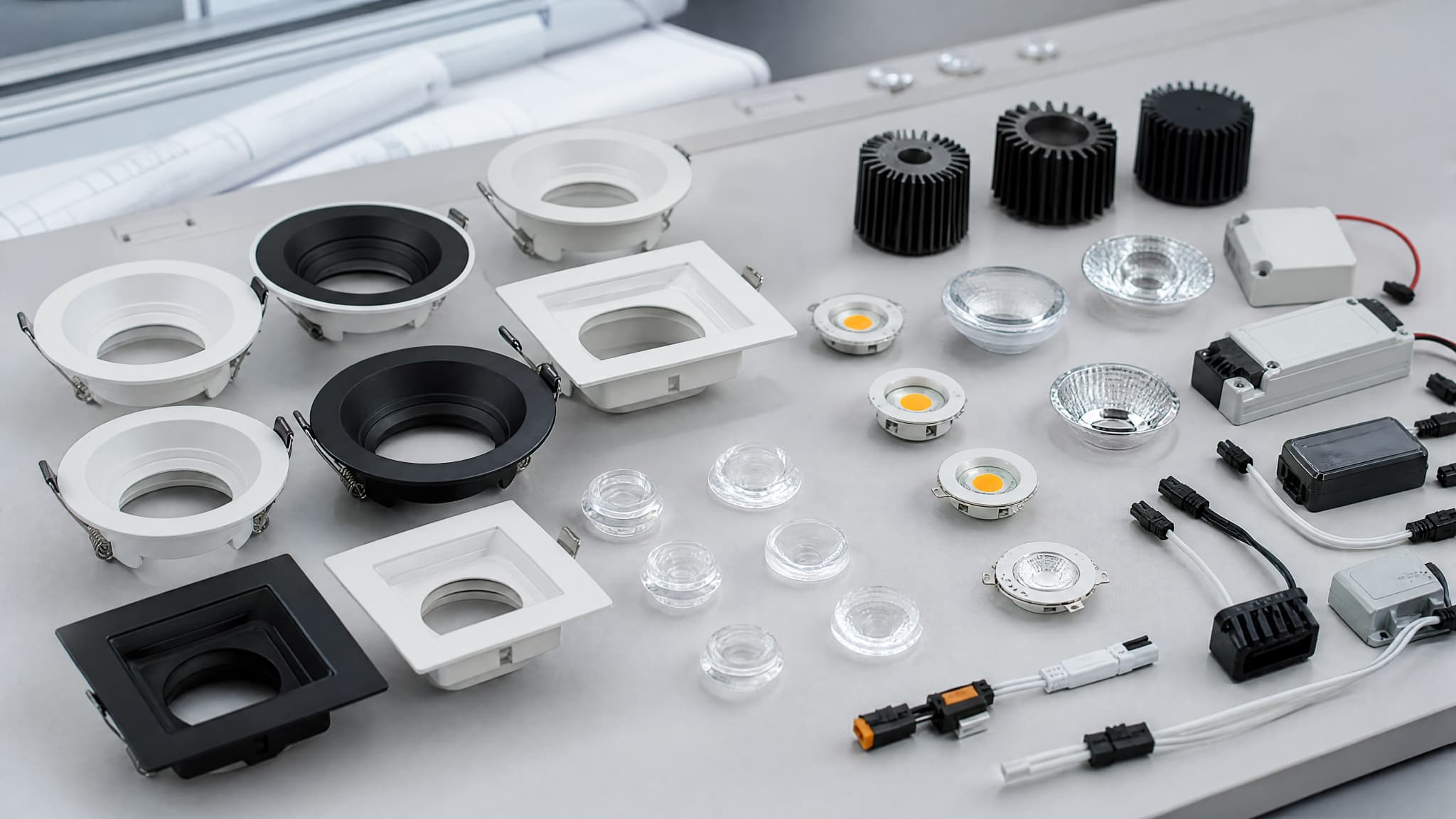
Engineers will recognize the pattern immediately: define the rule before the work begins, assign the role so nothing depends on memory, and verify the result against the record. It is how this Mid-Autumn afternoon was run, and it is how ANOVA approaches ODM development for demanding operating environments—documenting operating conditions, test criteria, and validation routes in writing before a single prototype is built. The same logic sits behind the company's product range and technical guides: criteria first, evidence always.
Looking for a structured ODM lighting solution? Share your operating conditions, test criteria and project requirements with ANOVA.
The Habit That Carries Forward
A company celebration is a small system—defined inputs, named roles, timed steps, verified results. The scorekeepers have long since closed their books, but the habit behind them stays: agree on the rules, give everyone a role, check the result. It made for a fair afternoon of games, and it is the same posture behind the company's sustainable, recycled-material lighting philosophy and behind every ODM program that starts from written conditions rather than assumptions.
That is worth raising a glass to—and on this night, the team leads did.