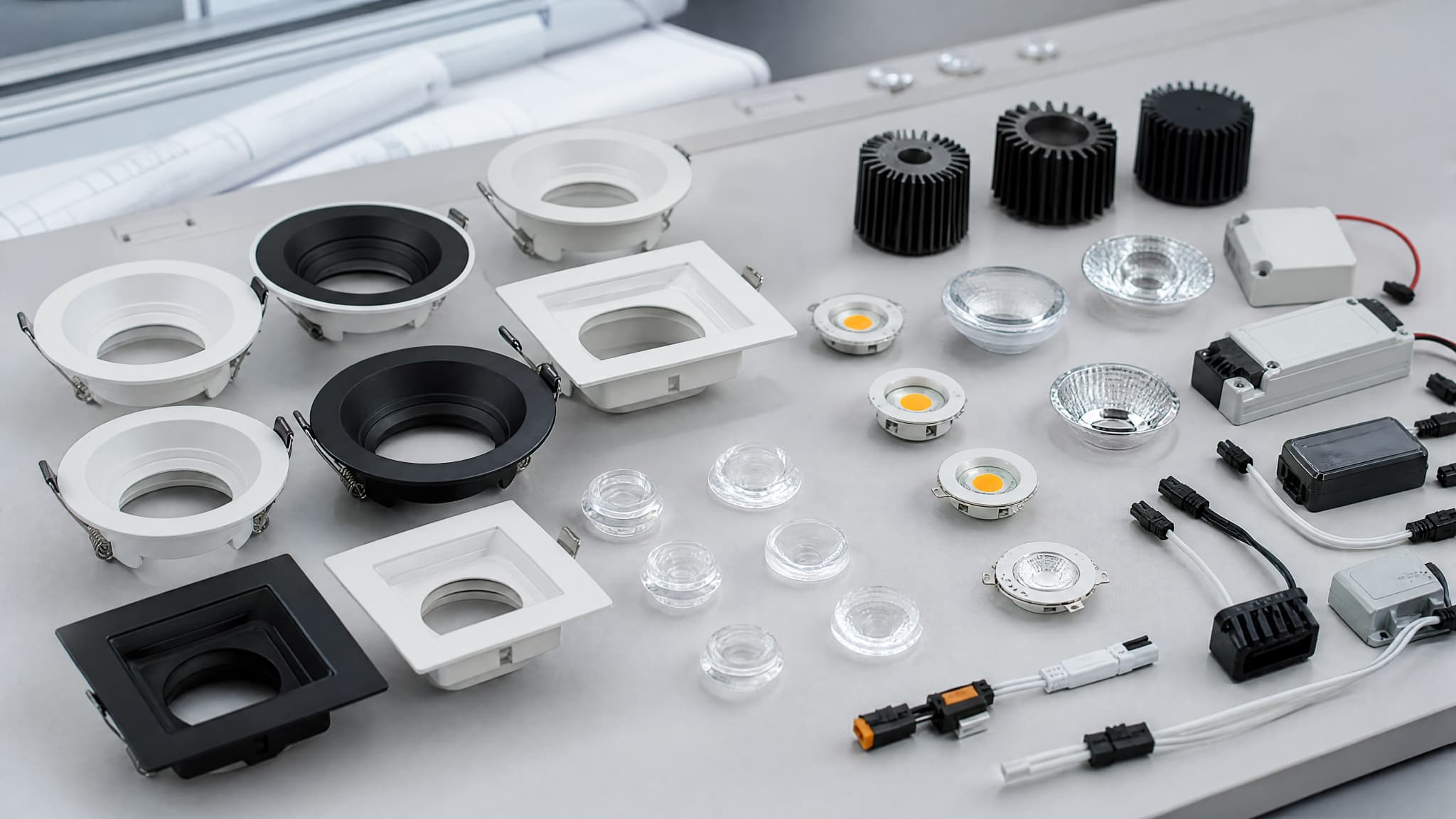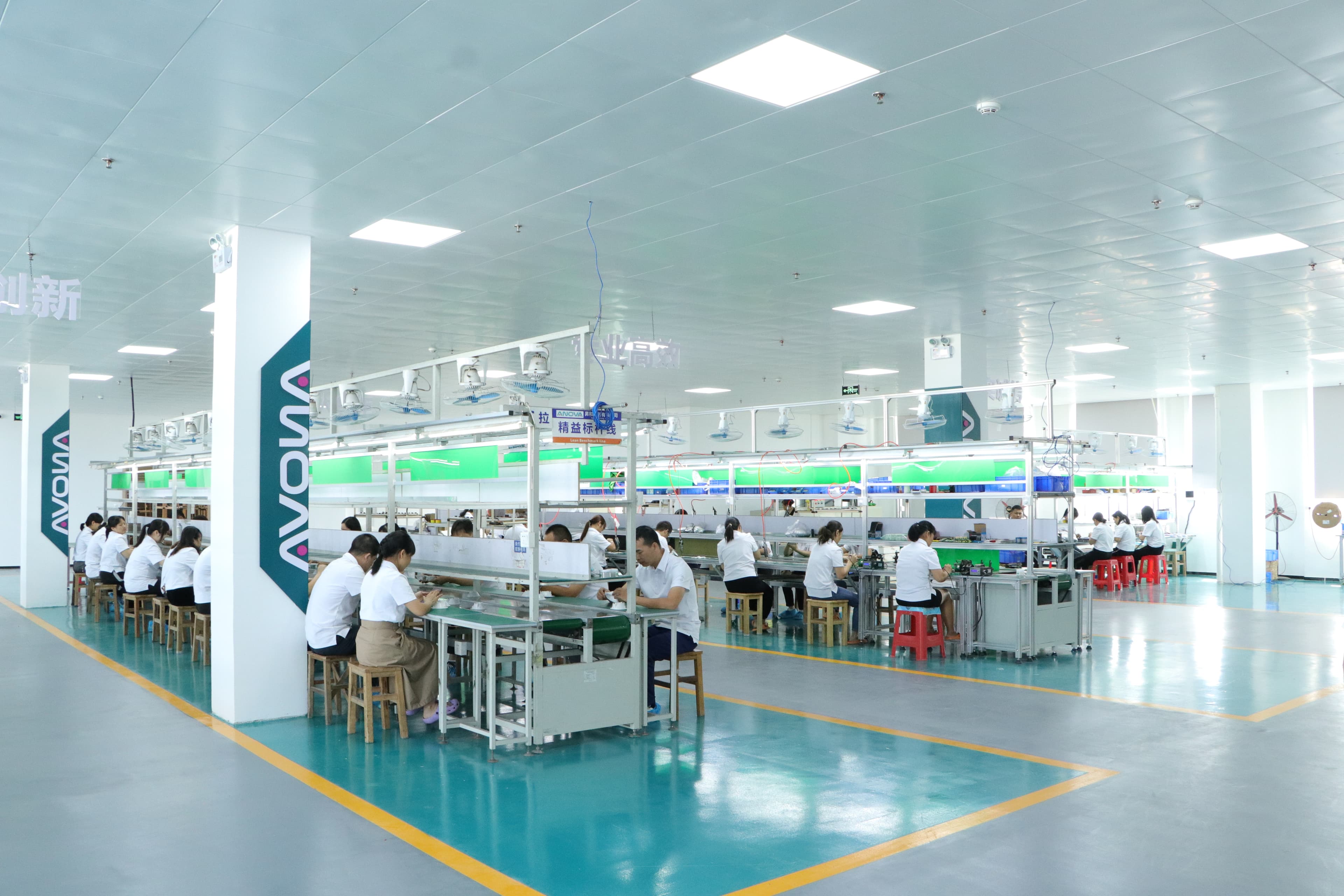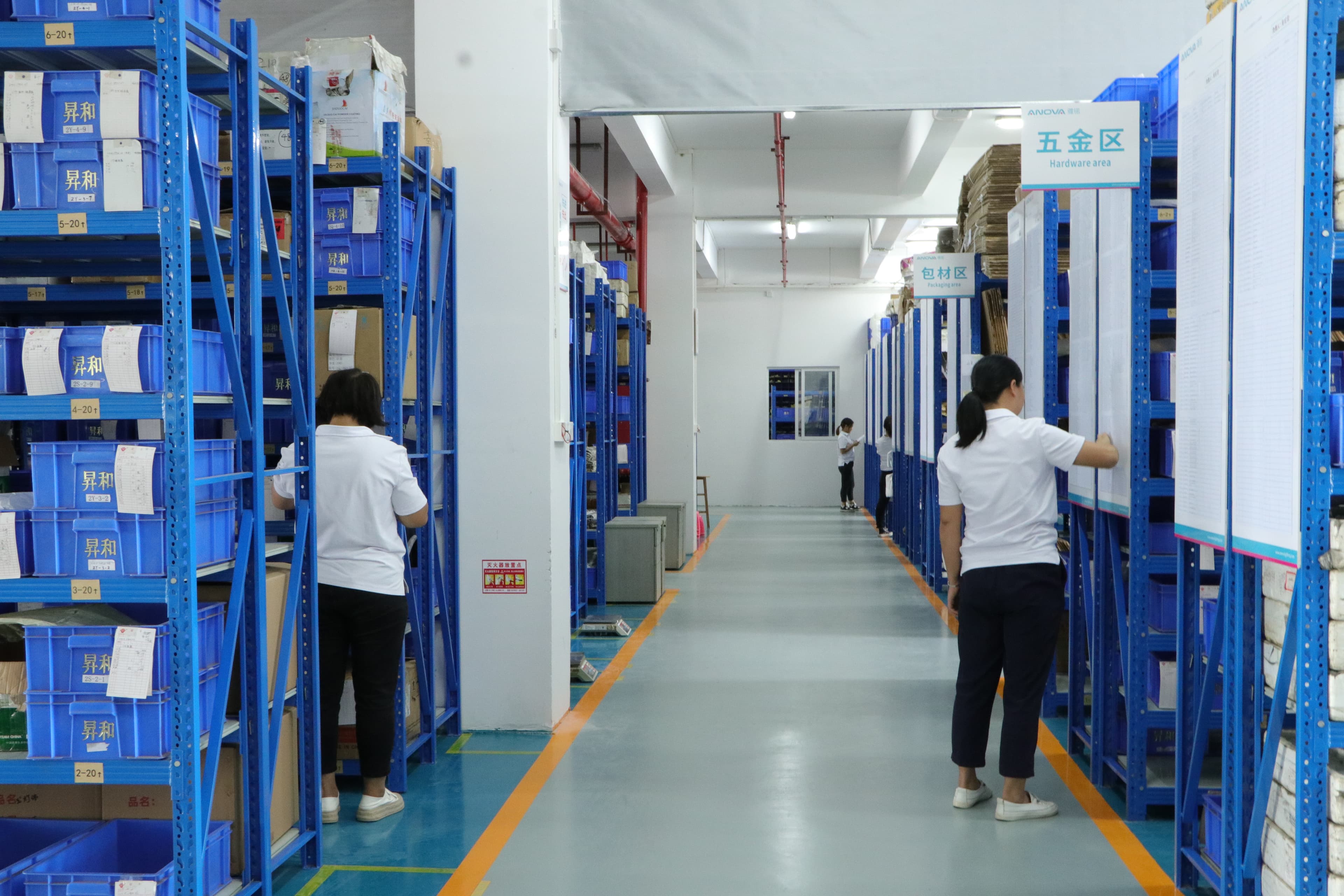

The efficiency of an ODM lighting project depends heavily on the quality of the information available at the beginning. A buyer does not need to arrive with complete engineering drawings, finalized component specifications or a production-ready bill of materials. Those details are often part of the development work.
However, an engineering team still needs a basic project brief before it can evaluate feasibility, identify major risks and decide what must be clarified first. The most useful starting information describes the application, installation, electrical and optical targets, material and protection needs, expected quantity, commercial timing and any existing reference files. A clear brief reduces assumptions and helps the discussion move from a general custom-lighting idea to a product configuration that can be reviewed.
1. Application Environment
Begin with where and how the luminaire will be used. The same fixture shape can require a different housing, seal, cable entry, driver location or finish when it moves from a conditioned interior to a humid terrace or a salt-exposed outdoor installation. Terms such as indoor and outdoor are useful starting points, but they do not describe the complete exposure.
Explain whether the product is intended for commercial, hospitality or project use, and identify the type of space. A hotel guestroom, restaurant, retail display, facade and covered outdoor walkway create different expectations for appearance, glare, cleaning, operating hours, maintenance and environmental protection.

- Indoor or outdoor location, including covered or partially exposed areas.
- Humidity, condensation, direct water or frequent cleaning conditions.
- Corrosion risk from coastal salt, chemicals, pollutants or dissimilar installation materials.
- Expected ambient temperature and any significant temperature cycling.
- Commercial, hospitality, architectural or other project application.
- Mounting direction, maintenance access and foreseeable misuse or mechanical exposure.
2. Fixture Type and Installation
Define the fixture family and the physical installation as early as possible. Recessed, surface-mounted, track-mounted and reading lights use different fixing methods, wiring spaces, adjustment structures and service paths. If the request involves a custom housing, clarify whether the aim is a new appearance, a new mounting solution, a different cut-out, a compact depth or integration with another building component.
Installation information can reveal constraints that are not visible in a product reference. Ceiling thickness, available depth, access from above, mounting surface, insulation, driver location and cable routing can all affect the mechanical concept. A photograph and basic dimensions are often enough to begin identifying these issues.

- Fixture type: recessed, surface mounted, track, reading light or another defined format.
- Required orientation, adjustability and aiming range where applicable.
- Cut-out, mounting base, track type, fixing points or other installation interface.
- Available depth, surrounding material and service access.
- Custom housing objective and the parts that must remain compatible.
3. Electrical Requirements
Electrical requirements should reflect the target market and the control system used in the project. State the mains voltage and frequency, whether the driver will be integral or remote, and how it can be accessed for installation or maintenance. If a buyer has a preferred driver brand, form factor, connector or wiring method, that information should be included without assuming it will automatically fit the mechanical design.
Dimming needs must be defined by method rather than by the word dimmable alone. TRIAC, 0-10V and DALI use different drivers, wiring and control expectations. The selected driver also has to be reviewed with the LED load, enclosure, thermal conditions, dimming range and local project requirements.
| Requirement | Information to provide | Why it matters |
|---|---|---|
| Mains supply | Voltage, frequency and target market | Defines the electrical input and driver selection boundary |
| Driver | Integral or remote, preferred size or access method | Affects housing space, heat and maintenance |
| TRIAC | Leading or trailing edge information where known | Requires compatible driver and control review |
| 0-10V | Control wiring and expected operating behavior | Affects driver, cable and installation planning |
| DALI | Required protocol or project control requirement | Affects driver configuration, wiring and commissioning expectations |
4. Optical Requirements
Optical requirements should describe the intended result, not only a wattage. Provide the target lumen output or useful illumination level where known, the mounting height or distance to the target, and whether the light is for general illumination, accenting, reading, wall washing or another task. These details help an engineer assess LED, optic and thermal requirements together.
Beam angle, CRI and CCT should be connected to the application. A narrow beam may suit an accent but create uneven coverage elsewhere. High color-rendering requirements can influence LED selection and efficacy. Glare expectations should describe viewing positions, source shielding, cut-off or visual comfort rather than relying on one generic low-glare label.
- Target lumen output, illuminance or comparison product where available.
- Beam angle or target size and mounting distance.
- CRI requirement and any color-rendering priorities beyond the general value.
- CCT and expected color consistency between products or batches.
- Glare, shielding, cut-off and normal viewing-position requirements.
- Fixed, adjustable or interchangeable optical configuration.
5. Material and Protection Requirements
Material and protection requirements should be linked to exposure, appearance and construction. If the buyer has a required housing material, state which component it applies to and why. Aluminum, stainless steel, coated metal and engineering plastics provide different combinations of heat transfer, structure, finish, electrical isolation, manufacturability and environmental resistance.
Surface finish information can include color, gloss, texture, visual reference and expected cleaning method. Corrosion resistance and IP requirements need a defined environment and installation direction. An IP target addresses specified ingress conditions, while corrosion protection also depends on material combinations, coating, fasteners, joints, drainage, cable entries and maintenance.
- Housing, trim, fastener or bracket material requirements.
- Surface color, texture, gloss and reference finish.
- Indoor, outdoor, coastal, high-humidity or chemical exposure.
- Requested IP level and the mounting direction it must support.
- Cleaning agents, UV exposure, impact or other protection considerations.
6. Project Quantity and Timeline
Share the expected quantity as a realistic range and separate prototype, initial order and repeat-order expectations where possible. Quantity influences whether an existing product platform, configurable construction, new tooling or a different manufacturing method is practical. It also affects component sourcing, finish setup, packaging and inspection planning.
MOQ cannot be defined responsibly from the phrase custom lighting alone. It depends on the selected housing, tooling route, LED and driver availability, finish, packaging, validation scope and production process. The same applies to timing: sample development and mass-production planning must follow the approved configuration and the work required to validate it.
Provide the commercial milestones that matter—such as sample-review date, project decision point or required production window—without treating an early estimate as a fixed delivery promise. The engineering review can then identify which decisions and approvals control the schedule.
- Estimated prototype or sample quantity.
- Expected first production quantity or quantity range.
- Potential repeat-order pattern where known.
- Target sample review, approval and production milestones.
- Packaging, labeling or market-specific documentation needs that may affect planning.
7. Reference Files Buyers Can Send
Reference material helps turn an abstract request into a reviewable starting point. It does not have to be a finished engineering package. A marked-up photograph can explain the installation, a basic drawing can establish critical dimensions, and an existing sample can show the desired scale, adjustment or finish.
Identify what each reference is intended to communicate. A target product image may show appearance but not construction; an installation drawing may show space limits but not optical performance. If some dimensions or specifications are uncertain, mark them as targets or open questions rather than presenting them as approved requirements.

- Product drawing, sketch or dimensioned concept.
- Photograph of the application or installation location.
- Physical sample or current product for comparison.
- Performance or procurement specification.
- Ceiling, furniture, track or other installation drawing.
- Target product reference with a note explaining what should be matched or changed.
A complete drawing package is not required for the first review. Share the available commercial, installation and performance information so the project can enter an initial engineering assessment.
- Application
- Fixture type
- Voltage
- Dimming
- Quantity
- Target requirements
What Happens After We Receive the Project Brief?
The first step is to organize the brief into confirmed requirements, preferred targets and missing decisions. The engineering team can then review application risks, installation constraints, available product platforms, custom-development scope and the evidence required before production. Questions are expected at this stage; the purpose of the brief is to make those questions specific.
The ODM Lighting Development Process outlines how requirement analysis moves into engineering design, prototype validation and production preparation.
Where the project involves housing, materials, sealing, corrosion protection or heat, review the available Engineering Capability information to understand the decisions that may require development.
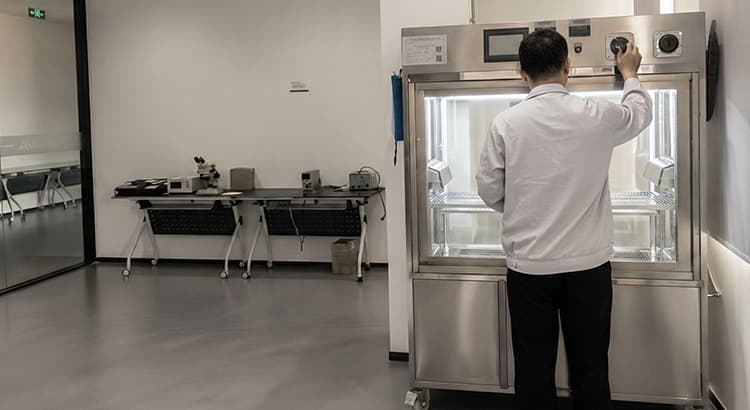
The validation plan should match the product risk and approved configuration. The Testing & Validation overview explains the purpose of IP, salt-spray, temperature and humidity cycling, and aging methods without promising a result before the sample and method are defined.
Buyers can also review ANOVA's Application Experience by project type and environmental challenge rather than relying on unnamed or invented customer stories.
A Useful Brief Is Clear, Not Necessarily Complete
A buyer does not need to solve the engineering before contacting an ODM lighting manufacturer. The useful starting point is a clear description of the application, fixture and installation, electrical and optical targets, protection needs, quantity, timing and available references. Unknown items should be identified openly so they can become part of the review.
When the available information is ready, send your project brief. Include the requirements you know and mark any points that still need engineering input.
FAQ
Do buyers need complete engineering drawings before starting an ODM lighting project?
No. A basic brief with application, installation, performance, quantity and reference information is enough for an initial assessment. Detailed drawings can be developed or clarified after the scope is understood.
What quantity should be provided for an ODM lighting inquiry?
Provide a realistic range for prototypes, the expected first order and possible repeat demand. The applicable MOQ depends on the product configuration, components, finish, tooling, packaging and production method, so it should be confirmed after review.
Can a photo or existing sample be used instead of a drawing?
Yes. Photos and samples can establish appearance, scale, installation or functional references. Buyers should state what must be retained, what should change and which dimensions still need confirmation.
Why must the dimming method be specified?
TRIAC, 0-10V and DALI require different drivers, controls and wiring. Naming the method helps the engineering team review electrical compatibility, enclosure space, heat and installation requirements.
Is an IP rating enough to define an outdoor ODM light?
No. Outdoor suitability can also depend on corrosion exposure, UV, temperature, mounting direction, drainage, cable entries, connectors, fasteners, driver protection and maintenance conditions.
What happens if some project requirements are still unknown?
Mark them as open questions. The initial engineering review should separate confirmed requirements from assumptions and identify the decisions, samples or tests needed before the configuration is approved.